
Cargo Vests Are Having a Moment in Spring 2026
Cargo vests are the breakout streetwear trend for spring 2026. Here's why the utility vest is back, how to style it, and the best options to buy right now.
Reader-supported: we may earn a commission from links in this article, at no cost to you. As an Amazon Associate we earn from qualifying purchases. How we make money.
The Vest Nobody Expected
If you told me two years ago that cargo vests would be the breakout piece of spring 2026, I would have asked what fishing trip you were packing for. Cargo vests — those multi-pocket, utilitarian, aggressively dad-coded garments — were the last thing on anyone's streetwear radar.
And yet. Here we are.
Scroll through any streetwear-focused feed right now and you'll see them everywhere. Worn over hoodies. Layered on graphic tees. Paired with cargo pants for maximum pocket count. The cargo vest went from "war correspondent cosplay" to "must-have spring layer" in about six months.
Let's talk about why, and more importantly, how to actually wear one without looking like you're about to photograph wildlife.
Why Cargo Vests Work Right Now
The Utility Trend Hit Critical Mass
Streetwear has been moving toward utilitarian aesthetics for years. Cargo pants came back. Technical fabrics went mainstream. Gorpcore made hiking gear fashionable. The cargo vest is the logical next step in that progression — the most pockets-per-garment ratio possible, in a silhouette that actually layers well.
Perfect Spring Layering
This is the practical reason. Spring weather is chaotic — too warm for a jacket, too cool for just a tee. Vests solve this by keeping your core warm while leaving your arms free. A cargo vest over a long-sleeve tee or hoodie is the ideal spring temperature equation.
It Adds Structure to Oversized Fits
Here's the styling secret nobody talks about. Oversized tees and hoodies can look shapeless — just fabric draped over a body. Adding a structured vest creates a visual anchor. It cinches the silhouette slightly, adds a defined shoulder line, and breaks up the monotony of a single oversized piece.
That structure is why cargo vests work in streetwear while other vests (puffer vests, suit vests) feel off. The cargo vest has enough visual weight — pockets, snaps, zippers — to hold its own against baggy streetwear proportions.
The Photography/Journalist Aesthetic
There's a retro-cool factor borrowed from 70s and 80s photojournalists and war correspondents who wore multi-pocket vests as functional gear. That "I just got back from documenting something important" energy translates surprisingly well to streetwear, which has always borrowed from functional uniforms (military, workwear, sports).
Types of Cargo Vests
Military/Tactical Vests
Straight from army surplus. MOLLE webbing, muted colors (olive, black, coyote tan), and a rigid, structured fit. These are the most aggressive option — they make a statement. Best worn as the centerpiece of a fit, not as a subtle layer.
Our pick: Rothco Tactical Vest — Authentic military spec at a fraction of the price.
Fishing/Outdoor Vests
The original multi-pocket vest. Fishing vests have a lighter, more relaxed construction than tactical vests, with mesh panels and a looser fit. Brands like Filson and Columbia make vests that straddle the line between outdoor gear and streetwear.
These work best in the gorpcore lane — pair with trail runners, tech pants, and performance fabrics.
Fashion Cargo Vests
Streetwear and fashion brands have started producing their own takes on the cargo vest. Expect slimmer cuts, elevated fabrics (waxed cotton, ripstop nylon), and details that reference the utility original without full commitment. Brands like Stussy, PALACE, and Carhartt WIP have all released versions.
DIY/Customized Vests
The streetwear move: buy a cheap surplus vest and customize it. Add patches, embroider it, dye it, distress it. A $20 army surplus vest with $5 in patches and some fabric dye becomes a one-of-one piece that nobody else has.
How to Style a Cargo Vest
Look 1: The Spring Essential
- Vest: Olive cargo vest
- Under: White oversized tee
- Pants: Black relaxed jeans
- Shoes: White sneakers
- Accessories: Simple chain, watch
This is the entry-level cargo vest fit. The white tee and black jeans are neutral enough that the vest does all the talking without competing. The white sneakers keep it clean and grounded.
Look 2: The Full Utility
- Vest: Black tactical vest
- Under: Black heavyweight hoodie
- Pants: Olive cargo pants
- Shoes: Black trail runners or Dunks
- Accessories: Crossbody bag, beanie
Full send on the utility aesthetic. Monochrome top half with olive pants creates a military-adjacent look that reads as intentional rather than costume. The crossbody bag continues the pocket/storage theme.
Look 3: The Contrast Play
- Vest: Tan/khaki cargo vest
- Under: Bright graphic tee (anything with color)
- Pants: Washed denim, relaxed fit
- Shoes: Colorful sneakers (Jordan 1s, Sambas)
- Accessories: Cap, rings
Use the neutral vest to frame a colorful outfit. The khaki vest calms everything down while the tee and shoes bring the energy. This is the most streetwear-coded approach — functional piece meeting expressive pieces.
Look 4: The Layered Tech
- Vest: Gray or black tech-fabric vest
- Under: Long-sleeve mock neck or quarter-zip
- Pants: Tapered nylon pants
- Shoes: New Balance or ASICS runners
- Accessories: Tech crossbody, cap
This leans gorpcore/techwear. The vest adds storage and texture to an otherwise minimalist technical fit. Everything breathes, everything moves, everything has a purpose.
Vest Fit Guide
Sizing
Cargo vests should fit true to size or one size up. Unlike jackets where oversized is the default, an excessively large vest just looks like you borrowed your dad's. The vest should end at your hip bone — not below. Long vests lose the structured silhouette advantage.
Shoulder Seams
The shoulder seam of the vest should sit at or slightly past your actual shoulder. If it droops too far, the whole piece looks deflated. If it's too narrow, you can't layer a hoodie underneath.
Closure
Most cargo vests zip or snap. Leave them open over tees for a relaxed look. Zip them halfway over hoodies for a more structured silhouette. Fully zipped with nothing visible underneath is the minimalist play.
Pocket Management
This is crucial. A cargo vest with empty pockets looks flat and lifeless. A cargo vest with overstuffed pockets looks like you're shoplifting. Find the middle ground — phone in one pocket, maybe a lighter or keys in another. Enough to give the pockets shape without bulk.
Where to Buy Cargo Vests
Budget (Under $50)
- Rothco — Military surplus brand with multiple vest styles. $25-40.
- Amazon Basics Tactical Vest — Generic but functional. $20-30.
- Actual Army Surplus — Hit your local surplus store. $15-30 for genuine military vests.
Mid-Range ($50-$150)
- Carhartt — Their utility vest is predictably excellent. $60-90.
- Filson — Outdoor heritage brand with vests that age beautifully. $100-150.
- Stan Ray — Their work vest is clean and versatile. $70-90.
Premium ($150+)
- Carhartt WIP — Fashion-forward versions of Carhartt's work vests. $150-200.
- Stone Island — Technical fabric vests with the iconic arm patch. $300+.
- Engineered Garments — Nepenthes' Americana-meets-workwear brand makes some of the best vests in the game. $250-400.
The History of Vests in Streetwear
Vests have appeared in streetwear before, but usually in different forms:
Puffer vests (2015-2018): The North Face Nuptse vest was everywhere for a few years. It served the same layering purpose but read more "outdoor" than "utility."
Suit vests (2010-2012): The brief period when everyone wore suit vests over graphic tees. We don't talk about this era.
Down vests (ongoing): Patagonia and similar brands have kept the casual vest alive in normcore/gorpcore circles.
Military vests (1990s): The first time cargo vests appeared in street fashion, driven by hip-hop's military influence. Pac and Biggie both wore tactical-adjacent vests. Like most 90s trends, it's come full circle.
Cargo Vests and the Pocket Economy
Here's a genuine practical argument for cargo vests: phone sizes have increased 40% in five years. Keys, wallets, and earbuds cases all need to go somewhere. Regular pants pockets are struggling.
The cargo vest distributes your EDC (everyday carry) across your upper body, freeing up your pants pockets and eliminating that awkward bulge in your front pocket. It's the same reason photographers adopted the vest in the first place — you need your stuff accessible and distributed.
In an era where everyone carries a phone, earbuds, wallet, keys, and maybe a charger, having 6-8 accessible pockets that aren't crammed into your pants is actually useful. The vest isn't just fashion. It's infrastructure.
What to Avoid
The "Too Tactical" Look
Unless you're specifically going for a techwear aesthetic, avoid MOLLE-covered, SWAT-team-looking vests. One step too far into tactical territory and you look like you're LARPing. Stick to simpler silhouettes with standard flap pockets.
Pairing With Formal Pieces
A cargo vest over a button-down looks confused. Over a blazer looks insane. Over dress pants looks like a costume for a character called "Casual Friday Guy." Keep the pieces under and around your vest casual — tees, hoodies, denim, sweats.
Ignoring Proportion
A slim-fit vest over slim-fit everything makes you look like a mannequin at a outdoor store. An oversized vest over oversized everything looks like a tent. The vest should contrast slightly with whatever's underneath — structured vest over relaxed tee, or relaxed vest over fitted long-sleeve.
Logo Overload
A plain olive or black vest is versatile. A vest covered in brand logos, patches, and embroidery is not. Start with something clean and add personalization gradually.
The Spring 2026 Cargo Vest Wave: Our Verdict
Is the cargo vest a gimmick? Maybe. Is it a trend that'll disappear by fall? Possibly. But right now, in spring 2026, it solves a real problem (spring layering), serves a real aesthetic purpose (utility streetwear), and costs almost nothing to try (surplus stores exist).
The downside risk of buying a $25 surplus vest and experimenting is basically zero. The upside is a versatile layering piece that works with your existing wardrobe and positions you at the front of a trend rather than chasing it six months later.
Get one. Try it. If it doesn't work for you, you're out the price of a fast food meal. If it does work, you've got the piece of the season.
Check our shop for more spring 2026 essentials, and read our guide on building a budget streetwear wardrobe for more practical style advice.
Shop this guide

Comfort Colors Adult Heavyweight Short Sleeve Tee, Style G1717/G1745, Multipack
A heavyweight short-sleeve tee is the base a cargo vest is supposed to sit on — actual fabric weight, not a gym shirt.
BUY ON AMAZON →
JMIERR Mens Fleece Lined Oversized Hoodie Pullover Sweatshirts | Fall Winter Cozy fleece-lined pullover, adjustable draw
An oversized fleece-lined pullover hoodie is the volume layer a utility vest is meant to stack on.
BUY ON AMAZON →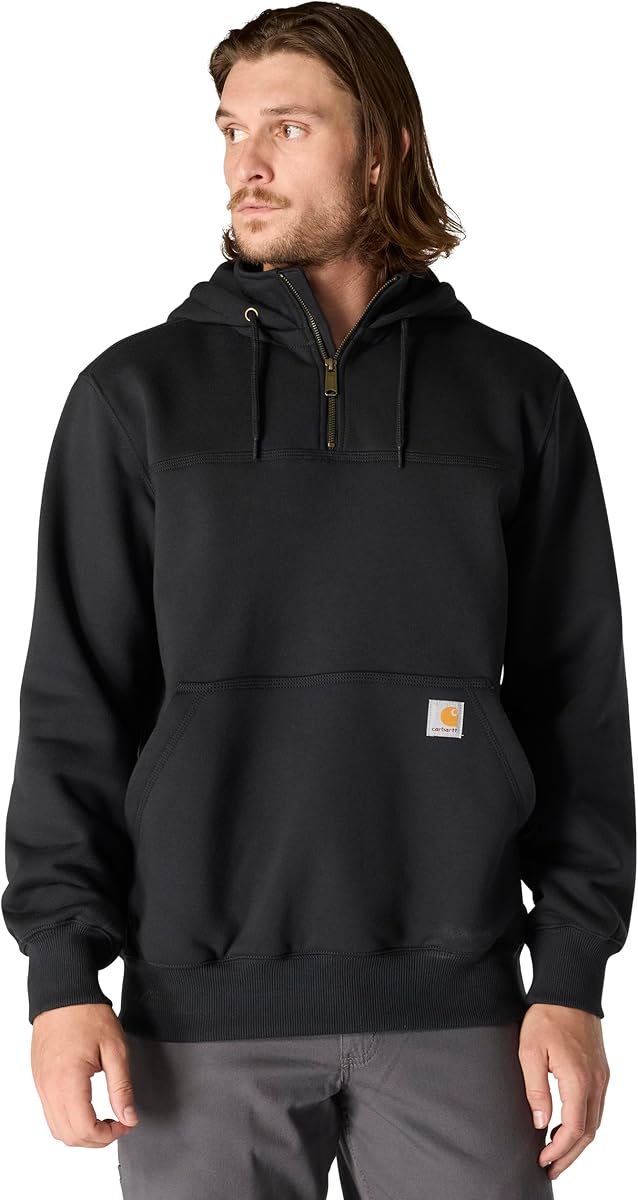
Carhartt Men's Paxton 1/4-Zip Sweatshirt
Carhartt's Paxton 1/4-zip is workwear with a zipper — the jobsite midlayer a cargo vest is supposed to sit over.
BUY ON AMAZON →RELATED READS

Butter Yellow Sneakers: Summer 2026's Color‑Trend Round‑Up
Butter yellow dominates summer 2026 sneaker palettes. Why the hue works as a neutral, how to style it subtly, and two Amazon picks across the price range.

The Adidas Samba Jane and the Sneakerina Takeover of Back-to-School 2026
The adidas samba jane sneakerina swaps chunky silhouettes for a sleek ballet‑flat vibe. Discover the trend, who it fits, styling tips, and why this shoe is the must‑have back‑to‑school staple for.

Gorpcore Goes Mainstream: Why the Outdoor‑Meets‑Street Aesthetic Dominates 2026
Gorpcore has shed its niche status and become a core streetwear pillar in 2026. Explore its evolution, leading brands, essential pieces like the Salomon XT‑6, Hoka Bondi 8, and Carhartt beanie.