
Carhartt WIP vs Carhartt: The Real Difference Explained
Carhartt WIP and Carhartt share a name and a logo but serve completely different audiences. Here's the full breakdown of pricing, fit, quality, and cultural identity.
Reader-supported: we may earn a commission from links in this article, at no cost to you. As an Amazon Associate we earn from qualifying purchases. How we make money.
Someone in your group chat is wearing Carhartt. But which Carhartt? Because there are two, and the difference matters more than most people realize.
On one side: Carhartt, the American workwear company that's been making durable clothing for manual laborers since 1889. On the other: Carhartt WIP (Work In Progress), the European licensee that reinterprets Carhartt's workwear DNA through a streetwear lens. Same logo. Same name. Very different brands.
If you've ever been confused about why a Carhartt jacket costs $60 at your local hardware store and $250 at a boutique in Soho, this is why. Let's break it down completely.
The Origin Story
Carhartt (Mainline)
Hamilton Carhartt founded the company in Detroit in 1889. The original mission was simple: make clothes tough enough for railroad workers. Over 135 years later, that mission hasn't changed much. Carhartt makes workwear for people who actually work — construction workers, farmers, mechanics, tradespeople. The clothes are built to survive harsh conditions, not to look cool on Instagram.
Carhartt is American manufacturing at its most straightforward. The brand didn't become fashionable on purpose. It became fashionable because streetwear culture adopted its products — particularly in hip-hop and skate communities that valued durability and a certain aesthetic ruggedness.
Carhartt WIP
In 1989 — exactly 100 years after the original company's founding — Edwin Farah licensed the Carhartt name for European distribution. Instead of simply importing American Carhartt products, Farah created a separate line that took Carhartt's workwear silhouettes and refined them for an urban, fashion-conscious audience.
Carhartt WIP is headquartered in Wuppertal, Germany, and operates as a separate entity from the American parent company. They share the logo and some design DNA, but the products, the pricing, the retail strategy, and the target audience are fundamentally different.
The Key Differences
Fit and Silhouette
This is the most immediately obvious difference.
Carhartt mainline fits like workwear. The silhouettes are boxy, roomy, and designed to accommodate movement, layering, and tool belts. A Carhartt Active Jacket in size Large is going to fit like a tent on most people who aren't actually doing construction work. That's by design — these clothes need to move with you while you're swinging a hammer.
Carhartt WIP fits like streetwear. The silhouettes are slimmer, more tapered, and more intentional about proportions. A WIP chore coat in size Large fits like a well-designed fashion piece — structured, clean, flattering. The brand takes classic Carhartt shapes and refines them for people who are going to a bar, not a job site.
For reference, if you wear a Medium in most streetwear brands, you'd probably wear a Small in Carhartt mainline and a Medium in Carhartt WIP.
Materials and Construction
Carhartt mainline uses heavy-duty materials because the clothes need to survive actual work. Their duck canvas is legendarily tough — 12-ounce cotton duck that can take years of abuse. The downside is that mainline Carhartt can feel stiff, heavy, and unforgiving when new. It takes weeks of wear to break in a Carhartt jacket.
Carhartt WIP uses lighter-weight versions of similar materials. The duck canvas is softer and lighter. The denim is more refined. The brand also uses materials that mainline Carhartt wouldn't touch — organic cotton, Japanese selvedge denim, Italian fabrics. WIP pieces feel better out of the box but won't necessarily survive the same kind of abuse.
This isn't a quality judgment — it's a purpose judgment. Mainline is built for work. WIP is built for style. Neither is "better" in absolute terms.
Pricing
Here's where the conversation gets spicy.
Carhartt mainline pricing examples:
- Pocket tee: $20-25
- Active Jacket: $60-80
- Detroit Jacket: $100-130
- Double-knee work pants: $45-60
Carhartt WIP pricing examples:
- Pocket tee: $45-65
- Active Jacket: $200-280
- Detroit Jacket: $300-400
- Simple Pant: $120-160
WIP is roughly 2-3x the price of mainline for comparable pieces. Is this justified? It depends on what you value. WIP offers better fit, lighter materials, more refined construction, and fashion-forward colorways. Mainline offers raw durability, American manufacturing heritage, and significantly more product for your dollar.
For building a streetwear wardrobe on a budget, mainline Carhartt is one of the best values in the game. For a more curated, fashion-conscious approach, WIP delivers a polished product that doesn't need any modification.
Colorways and Seasonal Collections
Carhartt mainline sticks to a relatively limited color palette: brown, black, navy, dark green, moss, and a few seasonal additions. The focus is on function, not fashion. You're buying Carhartt brown because it hides dirt, not because it matches your ASICS.
Carhartt WIP releases seasonal collections with fashion-forward colors, patterns, and collaborations. You'll find WIP pieces in lavender, dusty pink, stone washes, and camo prints that mainline would never produce. WIP also collaborates with brands like Nike, APC, and Converse — partnerships that would be bizarre for the mainline brand.
Retail Experience
Carhartt mainline is sold at hardware stores, workwear suppliers, Amazon, and Carhartt's own retail locations. The shopping experience is utilitarian. You're there for a jacket, you grab the jacket, you leave.
Carhartt WIP is sold at streetwear boutiques, their own standalone stores in major cities, and online through curated retailers. The shopping experience is similar to any other premium streetwear brand — designed spaces, curated selections, and a vibe that says "this is fashion."
Which One Should You Buy?
Buy Carhartt Mainline If:
-
You want durability above all else. Nothing beats mainline Carhartt for pure toughness. A mainline Detroit Jacket will outlast any three WIP jackets.
-
You're on a budget. Mainline offers some of the best value in fashion, period. A Carhartt pocket tee at $20 is one of the best basics you can buy.
-
You like the oversized/boxy aesthetic. If you're into the Japanese streetwear approach of wearing workwear oversized, mainline gives you that naturally. No need to size up — it's already generous.
-
You actually work. If you need clothes that can handle physical labor, mainline is the only choice. WIP is not built for that.
Buy Carhartt WIP If:
-
You want a refined fit. WIP does the tailoring work for you. Everything fits like it was designed to be worn as fashion, because it was.
-
You care about seasonal colors and collaborations. WIP releases fresh colorways and limited pieces every season. Mainline doesn't.
-
You prefer lighter fabrics. If mainline Carhartt feels too heavy and stiff, WIP's lighter interpretations might be more comfortable for urban wear.
-
You want the fashion credibility. In streetwear circles, WIP carries different cultural weight than mainline. Whether that matters to you is a personal call.
The Smart Move: Buy Both
The real power move is using both lines strategically. Here's how:
- Mainline for basics: Pocket tees, beanies, socks, and work pants from mainline. These are the items where durability matters and fashion refinement doesn't.
- WIP for outerwear and statement pieces: Jackets, overshirts, and seasonal items from WIP. These are the items that benefit from better fit and more intentional design.
Carhartt Loose Fit Heavyweight Pocket Tee (Mainline) — $20, best basic tee in the game
Carhartt Men's Knit Beanie — $17, the beanie that every streetwear person owns
Carhartt Rugged Flex Rigby Dungaree — Work pants with enough style for casual fits
How Streetwear Adopted Carhartt
The story of how Carhartt became streetwear is one of the most organic brand adoptions in fashion history.
Hip-Hop's Role
In the early 1990s, hip-hop artists — particularly in New York and Detroit — started wearing Carhartt mainline because it was durable, affordable, and carried a blue-collar authenticity that resonated with the culture. Biggie, Wu-Tang Clan, and countless others wore Carhartt in videos and photo shoots. This wasn't brand placement. It was genuine preference.
Skate Culture
Skaters adopted Carhartt for similar practical reasons. The double-knee work pants could survive the abuse of skating. The heavy canvas jackets protected against falls. And the utilitarian aesthetic aligned with skate culture's anti-fashion stance.
European Interpretation
When Carhartt WIP emerged, it gave European streetwear communities a localized version of this American workwear aesthetic. WIP became associated with skate culture, rave culture, and the emerging streetwear scenes in London, Berlin, and Paris. The brand's European identity allowed it to occupy a different cultural space than its American parent.
The Current Moment
In 2026, both brands coexist comfortably in streetwear culture. You'll see mainline Carhartt on construction workers and on streetwear enthusiasts in the same day. WIP has carved out its own niche as a premium workwear-inspired brand that stands alongside Stüssy, Norse Projects, and similar labels.
The cultural boundary between the two brands is less about gatekeeping and more about context. Wearing mainline to a streetwear event says something different than wearing WIP, and both messages are valid.
Styling Carhartt (Both Versions) for Streetwear
The Mainline Look
Lean into the oversized, utilitarian aesthetic. A mainline Detroit Jacket in brown, sized up, over a black tee, with Dickies 874s and clean sneakers. This is the working-class-meets-streetwear look that never goes out of style.
The WIP Look
Use WIP pieces as elevated basics. A WIP chore coat over a graphic tee, with tapered chinos and Sambas. This is streetwear with a European sensibility — clean, considered, understated.
The Hybrid Look
Mix both lines. Mainline pocket tee, WIP overshirt, cargo pants, and chunky sneakers. The mix of rugged mainline basics with refined WIP layers creates a tension that looks intentional and interesting.
Common Questions
Is Carhartt WIP owned by Carhartt?
Technically, WIP operates under a licensing agreement with the Carhartt parent company. They share the brand name and logo but function as independent businesses with separate design teams, manufacturing, and distribution.
Can I return Carhartt WIP to a Carhartt store (or vice versa)?
No. They're separate companies with separate retail operations. A WIP piece goes back to WIP. A mainline piece goes back to Carhartt or whatever retailer sold it.
Is one more "authentic" than the other?
Depends on your definition. If "authentic" means "actually workwear," then mainline wins easily. If "authentic" means "intentionally designed for the streetwear community," then WIP wins. Both are legitimate in their respective lanes.
Do they ever collaborate with each other?
Rarely, if ever, in an official capacity. They coexist peacefully but maintain separate identities.
The Bottom Line
Carhartt and Carhartt WIP are two different answers to the same question: how do you make workwear relevant? Carhartt answers by continuing to make genuine workwear that streetwear culture happens to love. WIP answers by translating workwear into fashion intentionally.
Neither approach is wrong. The best approach for you depends on your budget, your body type, your aesthetic, and whether you value raw durability or refined design.
Or just buy both and stop overthinking it. Hit the shop for pieces that pair with either version, and build your wardrobe from there.
Shop this guide
Carhartt Loose Fit Heavyweight Pocket Tee
Carhartt
The best basic tee in the game — mainline durability at entry-level cost.
BUY ON AMAZON →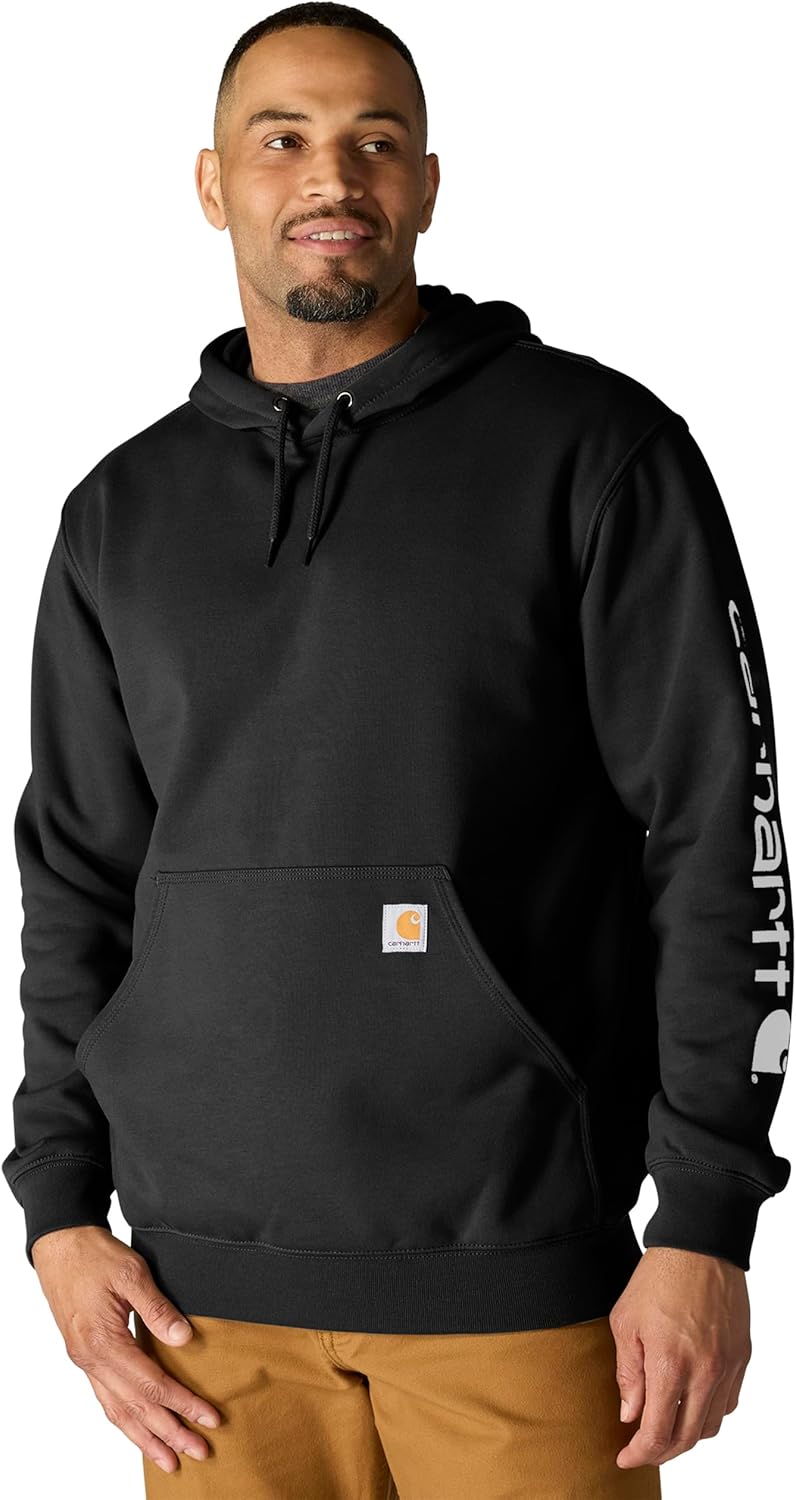
Carhartt Rugged Flex Rigby Dungaree
Carhartt
Heavy-duty duck canvas, boxy fit - rugged streetwear aesthetic.
BUY ON AMAZON →RELATED READS

Puma Speedcat Celebrities: Why the 90s F1 Racing Shoe Is 2026’s It‑Sneaker
Dua Lipa, Gracie Abrams, Emily Ratajkowski, and Rihanna have turned the Puma Speedcat OG into a cultural must‑have.
Best Custom Graphic Tee Methods: DTF vs Screen vs HTV 2026
DTF, screen printing, HTV, or sublimation — which method actually works best for custom graphic tees in 2026? We break down costs, gear, and results.

Why Skatewear Still Runs Modern Streetwear in 2026
Skateboarding built streetwear. In 2026, skate culture still dictates silhouettes, brands, and attitude in ways most people never notice. Here's how skatewear still shapes what you wear.