
Puffer Vests in Streetwear: The Layering Piece That Works Year-Round
How to style puffer vests for streetwear across every season. Layering techniques, brand picks, and fit breakdowns for the most versatile outerwear piece in your rotation.
Reader-supported: we may earn a commission from links in this article, at no cost to you. As an Amazon Associate we earn from qualifying purchases. How we make money.
The puffer vest is one of those pieces that people either already understand or completely overlook. There is no in-between. You either see it as a core layering element that bridges seasons and solves real outfit problems, or you think of it as something your dad wears to Home Depot on a Saturday morning. Both perceptions are technically accurate, which is exactly what makes the puffer vest interesting in a streetwear context.
What changed is context. The puffer vest stopped being purely functional outdoor gear sometime around 2018 when the gorpcore movement brought technical outerwear into street-level fashion vocabulary. But unlike the full puffer jacket — which has its own set of styling challenges around silhouette and bulk — the vest sits in a more nuanced position. It adds visual weight to your upper body without overwhelming the rest of the outfit. It creates layering depth without restricting arm movement or making you look like you are about to summit K2.
The vest is genuinely one of the most year-round versatile pieces you can own. Here is how to actually use it.
Why the Puffer Vest Works in Streetwear
The functional argument for a puffer vest is straightforward: core warmth without sleeve bulk. Your torso stays insulated while your arms remain free. But the stylistic argument is more interesting and honestly more relevant to how most people in streetwear actually wear the piece.
A puffer vest does three things that matter for outfit construction:
- Adds a visual layer without the commitment of a full jacket. You get depth and dimension in your fit without looking overdressed.
- Creates shoulder definition that improves the silhouette of whatever you are wearing underneath. A slightly oversized hoodie under a fitted vest suddenly has structure.
- Breaks up color blocks naturally. The vest creates a defined torso zone that lets you play with color contrast between your top layer, mid layer, and bottom.
This is why the piece works across seasons. In winter, it is functional layering under or over a jacket. In spring and fall, it is your primary outer layer over a hoodie or long sleeve. In summer, you can wear a lighter vest over a tee for evening temperatures or just as a pure style piece.
Silhouette Rules for Puffer Vests
The single biggest mistake people make with puffer vests is ignoring how the piece changes their silhouette. A puffer vest adds volume to your torso. If you do not account for that in the rest of your outfit, you end up looking like a triangle.
Fitted Vest Over Oversized Base
This is the default streetwear move and it works because it creates contrast. A slim or regular-fit puffer vest over an oversized hoodie or long-sleeve tee gives you a defined shoulder line while letting the fabric below the vest drape naturally. The vest acts as an anchor point that prevents the oversized base layer from reading as sloppy.
For this to work, the vest should hit at your natural waist or just below. Too long and it competes with the hoodie length. Too short and it looks like a life jacket.
Oversized Vest as Statement Piece
The opposite approach: a deliberately oversized puffer vest worn as the visual centerpiece of the outfit. This works best over fitted or regular-fit base layers because the volume contrast reads as intentional. An oversized vest over an oversized hoodie just looks like you borrowed everything from someone bigger than you.
Brands like The North Face Nuptse vest in larger sizes give you this effect naturally. The key is keeping your bottom half relatively streamlined — straight-leg or slightly tapered pants work best here.
Season-by-Season Styling
Winter Layering
In winter, the puffer vest is a mid-layer piece rather than your outer shell. The classic move is vest over hoodie under a heavier jacket. This sounds like a lot of layers, but the vest's sleeveless construction means you do not get that restricted, overstuffed feeling in the arms.
A practical winter stack:
- Base tee or thermal
- Heavyweight hoodie or crewneck
- Puffer vest
- Shell jacket or overcoat on top
The vest traps heat at your core while the outer jacket handles wind and moisture. Your arms get the flexibility of two layers instead of three. If you are building a streetwear wardrobe on a budget, the vest is arguably a better investment than a second heavy jacket because of this layering versatility.
Spring and Fall Transitional
This is where the puffer vest actually shines brightest. Transitional weather — when mornings are cold, afternoons are warm, and you have no idea what the evening holds — is the vest's natural habitat. You throw it on over a hoodie or long sleeve when you leave. You take it off and stuff it in a bag when the temperature rises. You put it back on at night.
The fit combinations that work best for transitional seasons:
- Puffer vest + heavyweight tee + cargo pants. The vest adds just enough warmth and visual interest to a simple base. Check our cargo pants styling guide for bottom-half ideas that pair well.
- Puffer vest + crewneck sweatshirt + straight-leg jeans. Clean and classic. The vest elevates a combo that might otherwise read as too basic.
- Puffer vest + flannel shirt + wide-leg trousers. The flannel gives you a collar and pattern under the vest. Good for when you want the fit to look like you actually thought about it.
Summer Evening Use
Controversial take: the puffer vest works in summer. Not during the day when it is 90 degrees — nobody is suggesting that. But summer evenings, especially anywhere with a coastal or desert climate where temperatures actually drop after sunset, present an opportunity.
A lightweight down vest over a graphic tee is a clean summer evening look that most people are not doing. Keep the vest thin — we are talking 550 or 600 fill rather than the 700+ fill you want for winter. The visual effect matters more than the warmth at this point.
Brand and Product Picks
Budget Tier: Under $100
Uniqlo Ultra Light Down Vest is the obvious move here. Packable, available in neutral colors, and genuinely well-made for the price. The fit runs slightly slim, which works well over regular-fit base layers. We covered more Uniqlo finds in our hidden gems guide.
Amazon Essentials also makes a puffer vest that costs almost nothing and works perfectly fine as a starter piece. The quality will not match premium options, but if you are testing whether the vest fits your personal style before spending real money, it is a legitimate option.
Mid-Range: $100 to $300
The North Face Nuptse Vest is the streetwear default for a reason. The 700-fill down provides genuine warmth. The boxy silhouette reads correctly in a streetwear context. And the brand recognition adds value without veering into hype territory the way it might have five years ago.
Patagonia's Down Sweater Vest is the cleaner, more understated option. If your style leans more toward the minimal end of streetwear — neutral palettes, simple silhouettes — this is the vest that fits your wardrobe naturally.
Premium Tier: $300 and Up
At the premium level, you are looking at brands where the down quality, shell fabric, and construction details justify the price. Moncler makes objectively excellent puffer vests, though whether the price is justified depends on your personal value calculation. Stone Island, C.P. Company, and Goldwin all operate in this space with varying aesthetic approaches.
The premium vest should last you years. The down should maintain its loft through multiple seasons of wear. The shell fabric should resist light rain and wind without a separate DWR treatment degrading over time. If you are spending $300-plus on a vest, you should be getting performance alongside the aesthetic.
Color Strategy
The Safe Plays
Black is the default and it works. A black puffer vest is the most versatile single piece you can buy for layering because it pairs with literally everything underneath. If you are buying one vest, make it black.
Navy is the second choice. It reads almost as neutral as black but with slightly more visual interest. Navy pairs particularly well with earth tones and grey base layers.
The Interesting Plays
Once you have a neutral vest, a colored option opens up your layering possibilities significantly. Forest green, rust, and deep burgundy all work as vest colors because they operate in the same visual register as neutrals while adding actual chromatic interest to your outfit.
The move is to wear a colored vest over a neutral base. A forest green vest over a black hoodie and grey cargos gives you a complete outfit where the vest is clearly the focal point without being loud about it.
What to Avoid
Bright primary colors in puffer vests tend to read as athletic rather than streetwear unless you are specifically going for a retro sport aesthetic. Bright red, royal blue, and vivid orange vests exist and some people make them work, but they limit your pairing options significantly.
All-over prints and logos on puffer vests age poorly. A branded chest patch is fine. A massive logo across the back of a vest is something you will get tired of faster than you expect.
How the Vest Fits Your Existing Wardrobe
If you already have a solid streetwear wardrobe, the puffer vest slots in as a multiplier rather than a standalone piece. Every hoodie, long sleeve, and crewneck you own gains a second life as a vest-layered outfit. Every pair of pants you own now has a different visual context when the vest changes your upper body silhouette.
Think of it this way: if you own five hoodies and two puffer vests in different colors, you have effectively doubled your upper-body outfit options to twenty combinations without buying any new base layers.
Pairing with Graphic Tees
A puffer vest over a graphic tee creates an interesting visual frame. The vest covers your shoulders and chest while leaving the graphic partially visible below the zipper line. This works especially well with tees that have lower-placed graphics or all-over prints, because the vest crops the visual field in a way that adds intrigue.
If you are wearing a Wear2AM tee with a chest graphic, leave the vest unzipped so the graphic reads clearly. If the tee has a more abstract or all-over design, zipping the vest partway creates a window effect that can actually make the graphic more interesting than wearing the tee on its own.
Pairing with Sneakers
The puffer vest does not dictate your footwear the way some outerwear pieces do. A vest-layered outfit works equally well with Air Force 1s, technical runners, or boots. The vest's versatility means your shoe choice is driven by the rest of the outfit and the occasion rather than by the vest itself.
That said, if you are going for a fully cohesive gorpcore or technical look, pairing a vest with a trail runner or hiking-adjacent sneaker creates a complete outdoor-meets-street narrative. If you are going clean and minimal, white sneakers under a vest-over-hoodie fit keep things grounded.
Common Mistakes
Vest too long. If your puffer vest extends past your hip line, it stops reading as a vest and starts looking like a jacket that lost its sleeves. The ideal length hits between your natural waist and the top of your hip bone.
Wrong fill for the context. A heavy-duty 800-fill expedition vest looks absurd with shorts and a tee in September. Match the vest weight to the actual temperature and outfit context.
Ignoring the hood question. If your hoodie has a hood and your vest has a hood, you now have two hoods competing for space around your neck. Either wear a crewneck under a hooded vest or wear a hoodie under a hoodless vest. Two hoods is not a look.
Zipping strategy. Fully zipped tends to read as functional. Fully unzipped reads as casual. Half-zipped is the versatile middle ground that works for most streetwear contexts. Pay attention to which position looks best with your specific base layer and graphic placement.
The Bottom Line
The puffer vest is not a trend piece. It is a wardrobe tool that has been useful for decades and will continue being useful regardless of what the broader fashion conversation is doing in any given year. Its current streetwear relevance is a bonus, but the real argument for owning one is purely practical: it makes your existing wardrobe work harder across more seasons and more contexts than almost any other single piece you can buy.
Start with one in black or navy. Wear it over what you already own. See how it changes your layering options. If you find yourself reaching for it more than you expected — and you will — then consider a second vest in a different color or weight for expanded versatility.
The piece is not exciting. It is not the thing that makes people stop and ask where you got it. But it is consistently the piece that makes the rest of your outfit work better than it would on its own, and that kind of quiet utility is worth more than hype in the long run.
Visit the shop if you want base layers that pair naturally with vest layering — our tees and hoodies are designed with exactly this kind of outfit construction in mind.
Shop this guide

JMIERR Mens Fleece Lined Oversized Hoodie Pullover Sweatshirts | Fall Winter Cozy fleece-lined pullover, adjustable draw
An oversized fleece-lined hoodie is the volume base a puffer vest is meant to sit on.
BUY ON AMAZON →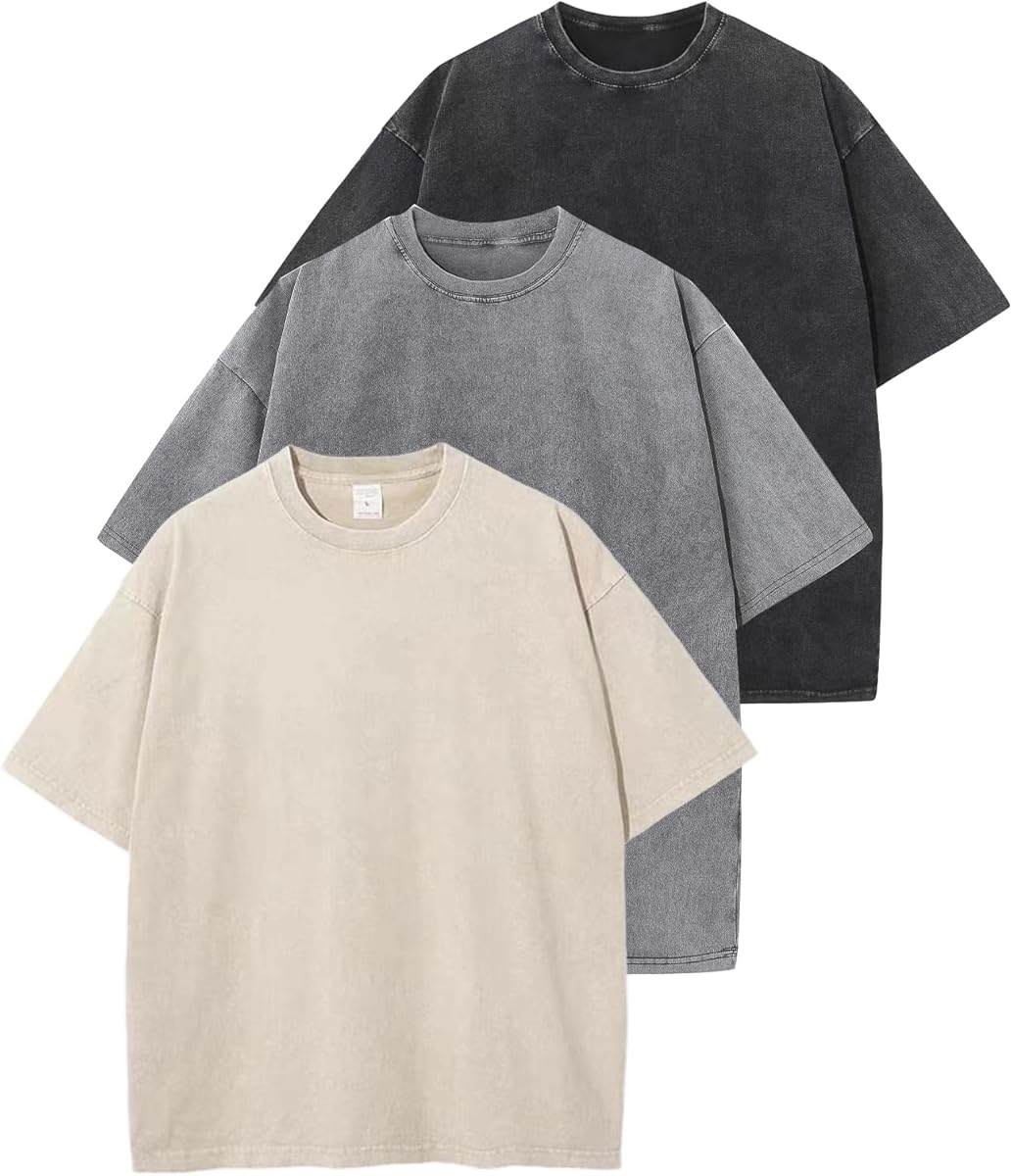
Arssm Men Oversized T Shirts Vintage Tee Loose Fit Short Sleeve Casual Streetwear Baggy Washed Unisex Tops
An oversized vintage loose-fit tee is the short-sleeve a vest goes over when a hoodie is too much.
BUY ON AMAZON →RELATED READS

Back-to-School Fit Check: SL 72 Anchor, Cargo Bottom & Graphic Tee
A head‑to‑toe back‑to‑school outfit built around the adidas SL 72 RS, paired with relaxed cargo pants and a standout graphic tee for 2026's Y2K campus vibe.
How to Style Wide-Leg Jeans for Men: 2026 Outfit Guide
Master wide-leg jeans men's styling with 5 proven outfit formulas, top denim picks under $150, and the proportions rule that makes every fit look intentional.

5 Streetwear Outfit Formulas That Work Every Time
Stop overthinking your fits. These 5 streetwear outfit formulas are foolproof, flexible, and work for any budget. Copy-paste style for 2026.