
Sneaker Break-In Periods: Which Brands Need Time and Which Don't
Not every sneaker feels good out of the box. This guide breaks down break-in periods by brand and model so you know what to expect before your feet pay the price.
Reader-supported: we may earn a commission from links in this article, at no cost to you. As an Amazon Associate we earn from qualifying purchases. How we make money.
You just dropped $180 on a pair of sneakers. You lace them up, walk to the corner store, and by the time you're back your heels are on fire and your pinky toes are filing a formal complaint. Welcome to the break-in period nobody warned you about.
Here's the thing: some sneakers are ready to go day one. Others need a week of gentle wearing before they stop actively trying to hurt you. And a few — looking at you, certain leather models — need a solid month before they feel like they belong on your feet.
The difference between a good sneaker experience and a miserable one often comes down to knowing what you're getting into before you buy. This guide covers every major brand and their most popular models so you can plan accordingly.
What "Break-In Period" Actually Means
A break-in period is the time it takes for a shoe's materials to conform to your foot shape and for the cushioning to settle into its working state. During this period, you might experience:
- Heel slippage that disappears once the heel counter softens
- Tightness across the midfoot that relaxes as materials stretch
- Stiff soles that feel like walking on plywood until the midsole compresses slightly
- Hot spots on pressure points that calm down once the upper molds to your foot
Not all of these happen with every shoe. Some sneakers need zero break-in because they're built with flexible, pre-softened materials. Others use rigid leather or dense foam that takes genuine time to loosen up.
Nike: Model by Model
Nike's lineup is so enormous that giving one blanket answer would be useless. Break-in periods vary wildly across their range.
Ready Out of the Box (0-1 Days)
Nike Air Max 90/97 — The Air Max line uses relatively soft mesh uppers and Air cushioning that works immediately. You might notice the sole is slightly stiff for the first walk, but by the end of day one, you're good.
Nike Vomero 5 — This running-turned-lifestyle shoe comes ready to wear. The mesh upper is breathable and flexible from the jump. Zero complaints.
Nike Free Run — Designed to mimic barefoot running, these are essentially pre-broken-in. The sole flexes in every direction from the first step.
Short Break-In (2-5 Days)
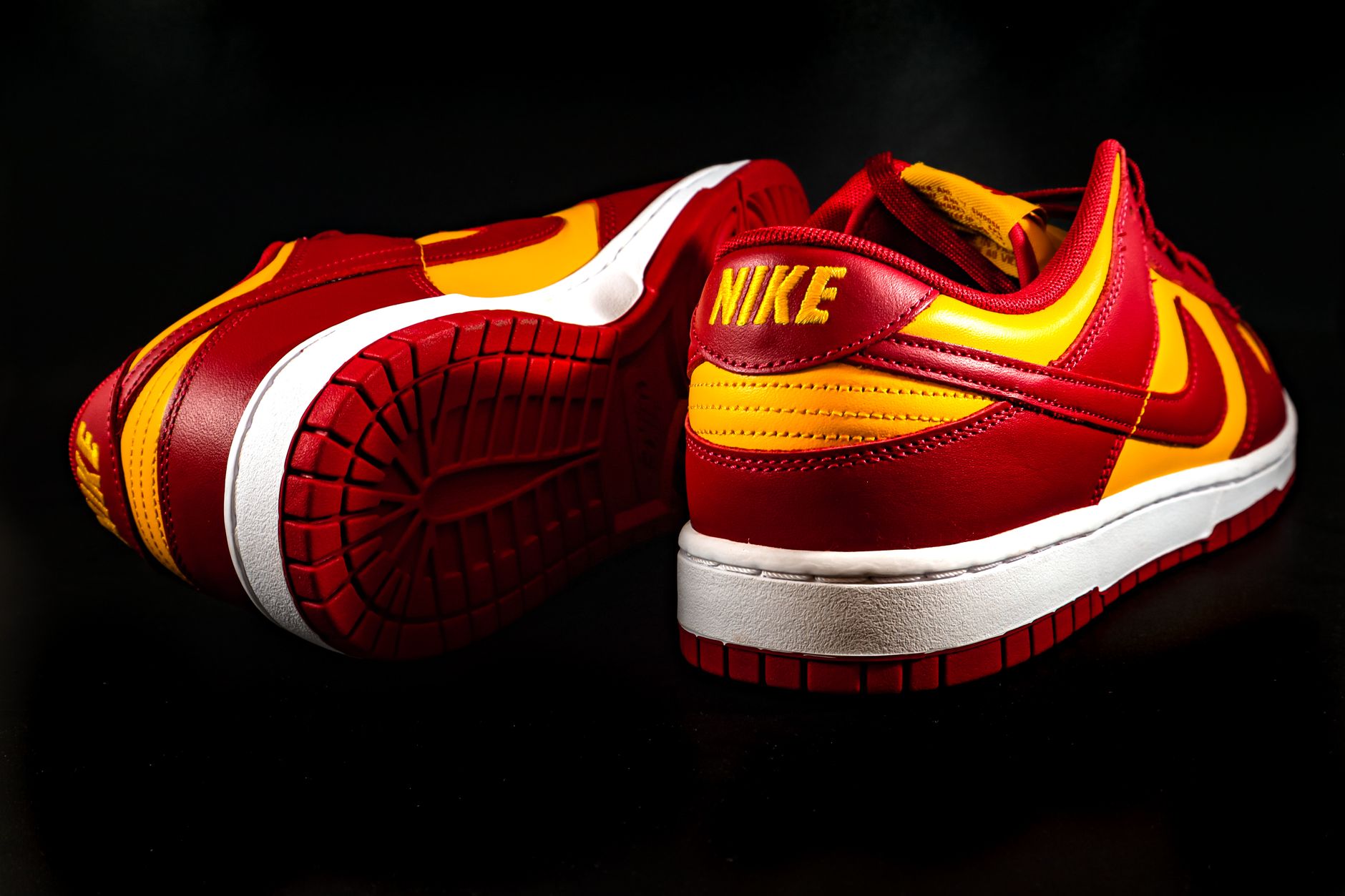
Nike Dunk Low/High — Here's where it gets real. The Dunk's leather upper is notoriously stiff out of the box, especially on the High. The padded collar can dig into your ankle for the first few wears. Give them 3-5 days of short wearing sessions before committing to a full day.
Nike Air Force 1 — Same story as the Dunk. That leather upper needs time. The AF1 is thicker and heavier than the Dunk, so the break-in can feel more demanding. The heel area is particularly brutal until the leather softens.
Nike Blazer Mid — The high collar on the Blazer is stiff and will absolutely destroy the back of your ankle if you go hard on day one. Wear thick socks for the first week.
Longer Break-In (1-2 Weeks)
Nike SB Dunk — The padded tongue and collar add comfort eventually, but the thick suede or leather panels take longer to conform than regular Dunks. Skaters break these in through actual skating; the rest of us need patient wearing.
Nike Air Jordan 1 — The OG high-top basketball shoe wasn't designed for comfort. The leather is thick, the collar is rigid, and the sole has minimal cushioning. Beautiful shoe. Painful first week. Worth the wait.
Adidas: Generally Forgiving
Adidas tends to use softer materials and more immediately comfortable cushioning systems. Their break-in periods are shorter across the board.
Ready Out of the Box
Adidas Ultraboost — Boost midsole + Primeknit upper = instant comfort. This is one of the most comfortable sneakers ever made from step one.
Adidas NMD — Same Boost cushioning, minimal upper. Zero break-in needed.
Adidas Samba — Despite being a leather shoe, the Samba uses relatively thin, soft leather that conforms quickly. Most people report comfort from day one, though the sole can feel flat initially.
Short Break-In (2-4 Days)
Adidas Forum — The high-top version has a stiffer ankle strap and collar that needs a few days. The Low is more forgiving.
Adidas Gazelle — The suede upper is soft but the sole is thin and rigid. Takes a couple of days for the sole to develop some flex.
Longer Break-In
Adidas Stan Smith — Surprisingly, the Stan Smith can take up to a week to break in properly. The leather is dense and the sole is stiff. The tongue also has a tendency to dig into the top of your foot until it softens.
New Balance: The Comfort Kings
New Balance has a reputation for comfort, and it's mostly deserved. Their modern lifestyle shoes are generally excellent out of the box.
Ready Out of the Box
New Balance 990v6 — Premium cushioning and a roomy toe box mean these feel incredible from the first step. The ENCAP midsole provides support without rigidity.
New Balance 2002R — Soft suede upper, ABZORB cushioning. One of the most comfortable sneakers you can buy, period.
New Balance 327 — Lightweight and flexible with a retro running construction that requires zero break-in.
Short Break-In (2-3 Days)
New Balance 550 — The leather on the 550 is thicker than you'd expect. The shoe needs a few days for the upper to soften, particularly around the heel counter. Once broken in, they're great. Getting there requires some patience.
New Balance 574 — The suede and mesh combo is comfortable, but the encap midsole can feel firm initially. Loosens up within a few days.
ASICS: Depends on the Line
ASICS splits cleanly between their running shoes (minimal break-in) and their lifestyle retros (variable break-in).
Ready Out of the Box
ASICS Gel-Kayano 14 — The GEL cushioning system works immediately. Mesh upper is flexible. Comfortable from step one.
ASICS Gel-1130 — Same GEL technology, similarly immediate comfort. The mesh upper is thin and conforms easily.
Short Break-In (3-5 Days)
ASICS Gel-Lyte III — The split tongue design is unique but can feel awkward initially. The suede upper is stiff at first. Give these a few days before judging them.
ASICS Gel-Lyte V — Neoprene inner sleeve is comfortable, but the padded tongue and thicker materials need some wearing in.
Converse: The Notorious Offenders
Let's be honest: Converse Chuck Taylors are some of the most painful sneakers to break in. The canvas is rigid, there's essentially zero cushioning, and the rubber toe cap digs into your toes.
Chuck Taylor All Star — Expect a 1-2 week break-in period. The canvas needs to soften, and your feet need to adapt to the completely flat sole. Many people never find them comfortable and just accept the suffering as part of the aesthetic.
Chuck 70 — Slightly better than the standard Chuck thanks to an upgraded insole and thicker canvas, but still requires about a week of break-in. The extra padding in the collar helps with ankle comfort.
One Star — Better than Chucks thanks to the suede upper, but still not what anyone would call comfortable out of the box. The sole is rigid and the suede is thick. Give it 4-5 days.
For instant comfort insoles that transform any sneaker, try these memory foam insoles — they're a game-changer for flat shoes like Converse.
Vans: Similar Story
Vans shares Converse's minimalist construction philosophy, which means similar break-in challenges.
Old Skool — The suede and canvas combo is relatively stiff. The waffle sole is thin. Expect 3-5 days before they feel natural. The padded collar helps more than you'd think.
Authentic/Era — Canvas upper, minimal padding. These need about a week. The Era is slightly more comfortable thanks to the padded collar.
Sk8-Hi — The high-top version adds ankle break-in challenges on top of everything else. The padded collar can rub until the materials soften. Budget a full week for these.
Salomon and Trail Runners
Trail runners have been crossing into streetwear for the past few years, and the good news is they're designed for immediate performance.
Salomon XT-6 — Ready to go from the first wear. The Quicklace system, mesh upper, and cushioned midsole all work immediately. This might be the most comfortable "fashion" sneaker you can buy.
Salomon Speedcross — Same deal. These are built for trail running, which means they need to work from mile one. Zero break-in.
Tips for Faster Break-In
When you can't wait for natural break-in, these methods actually work:
The Thick Sock Method
Wear your thickest socks (or two pairs) with the new shoes around the house for an hour each day. The extra bulk stretches the material faster and protects your feet from friction.
The Targeted Heat Method
Use a hair dryer on medium heat to warm specific tight spots for 20-30 seconds, then immediately walk around in the shoes. The heat softens leather and canvas, allowing them to stretch while still warm. Don't overdo this — you're softening, not cooking.
The Newspaper Stuff
For leather shoes, stuff them with slightly damp newspaper overnight. The moisture helps the leather expand and the newspaper maintains the stretched shape as it dries. Old school but effective.
The Wear-and-Rest Cycle
This is the most important tip. Don't wear new shoes for 8+ hours on day one. Start with 1-2 hours, then take them off. Increase by an hour each day. This gives the materials time to relax between sessions and prevents the blisters that come from extended wear in stiff shoes.
What NOT to Do
- Don't submerge shoes in water to speed up break-in. You'll ruin the glue and potentially the materials.
- Don't use shoe stretchers on sneakers. They're designed for dress shoes and can distort the shape of a sneaker's upper.
- Don't bend and flex the sole aggressively. You'll stress the midsole and potentially create premature creasing.
Protecting Your Feet During Break-In
While you're breaking in stiff sneakers, protect yourself:
- Moleskin patches on known hot spots (heels, pinky toes) prevent blisters before they form. Get them at any pharmacy.
- Athletic tape wrapped around problem toes adds a friction barrier.
- Moisture-wicking socks reduce the friction that causes blisters. Cotton socks absorb sweat and create more friction — avoid them during break-in.
- Heel grips stick inside the heel counter and prevent slippage that causes rubbing. These adhesive heel grips work with most sneakers.
When to Give Up
Sometimes a shoe just doesn't work for your foot. If you've worn them 10+ times and they're still causing pain, the issue probably isn't break-in — it's fit. Common scenarios:
- Persistent pinky toe pain = the toe box is too narrow for your foot shape. No amount of break-in will fix a fundamentally narrow shoe.
- Arch pain that doesn't improve = the shoe's last doesn't match your arch. Try a different insole first, but accept that some shoes just aren't made for some feet.
- Heel blisters after 2+ weeks = the heel counter shape doesn't match your heel. Some people have narrow heels that slip in wide-heeled shoes (and vice versa).
Return policies exist for a reason. Don't convince yourself a shoe will magically become comfortable after a month of suffering.
The Comfort Hall of Fame
Based on everything above, here are the sneakers with the best out-of-box comfort in streetwear right now:
- New Balance 2002R — cushioning royalty
- Adidas Ultraboost — Boost technology at its best
- Salomon XT-6 — trail comfort meets street style
- ASICS Gel-Kayano 14 — GEL cushioning works instantly
- Nike Vomero 5 — Nike's most comfortable lifestyle shoe
And the sneakers that need the most patience:
- Converse Chuck Taylor — beautiful suffering
- Nike Air Jordan 1 — worth the wait, but plan for it
- Nike Air Force 1 — heavier than you expect
- Adidas Stan Smith — dense leather takes time
- Vans Sk8-Hi — high ankle + stiff canvas = patience required
Know what you're getting into before you buy, and you'll never be caught limping home from the first wear again. Your feet will thank you, and your sneaker rotation stays in play instead of sitting in the closet waiting to be comfortable enough to wear again.
Shop this guide
RELATED READS
Nike Total 90 Revival: From Soccer Boot to Summer Staple
The Nike Total 90's soccer‑boot origins, its technical design, colorway tips, and how it stacks up against the Adidas Gazelle in the 2026 terrace‑sneaker wave.

adidas SL 72 Review: The 2026 Samba Replacement You Need
The adidas SL 72 RS is the sneaker dethroning the Samba in 2026: heritage, fit, sizing notes, and four styling formulas for the go‑to terrace‑adjacent shoe.

Gel Kayano 14 vs Gel‑1130: 2026’s Retro‑Runner Face‑Off
A deep dive into ASICS’ 2026 retro‑runner champions – the premium Gel‑Kayano 14 and the value‑focused Gel‑1130.