
How to Rotate Sneakers by Season Without Buying Too Many
A practical guide to building a four-season sneaker rotation that covers every situation without destroying your wallet. Quality over quantity, always.
Reader-supported: we may earn a commission from links in this article, at no cost to you. As an Amazon Associate we earn from qualifying purchases. How we make money.
You Don't Need 30 Pairs
The sneaker internet has convinced people that a proper collection requires double-digit pairs, wall-mounted display cases, and a spreadsheet to track what you've worn this week. That's collecting. It's a fine hobby. But it's not dressing well.
A functional sneaker rotation — one that keeps you looking good twelve months a year while actually preserving your shoes — requires somewhere between 6 and 10 pairs. That's it. The trick isn't having more sneakers. It's having the right ones at the right time.
This is the guide for that.
Why Rotation Matters (Beyond Style)
Shoe Longevity
Wearing the same pair every day kills it in months. Foam midsoles need 24-48 hours to decompress after a full day of wear. Moisture from your feet needs time to evaporate from the interior. Rotating between two or three pairs during any given week can double or triple the lifespan of each shoe.
Foot Health
Different sneakers have different support structures, heel drops, and toe box shapes. Alternating between them changes the stress points on your feet, which reduces the repetitive strain injuries that come from locking into one pair.
Weather Adaptation
Mesh runners in a rainstorm. White leather in mud season. Suede anything during a surprise snowfall. You've been there. Seasonal rotation prevents these disasters by design, not by luck.
The Four-Season Framework
Here's the core principle: each season gets a primary pair, a secondary pair, and an optional wildcard. That's 8-12 slots across the year, and since some pairs carry over between seasons, you end up needing fewer individual shoes than you'd think.
Spring Rotation (March-May)
Spring is the transitional gauntlet. Rain one day, sunshine the next, mud everywhere in between.
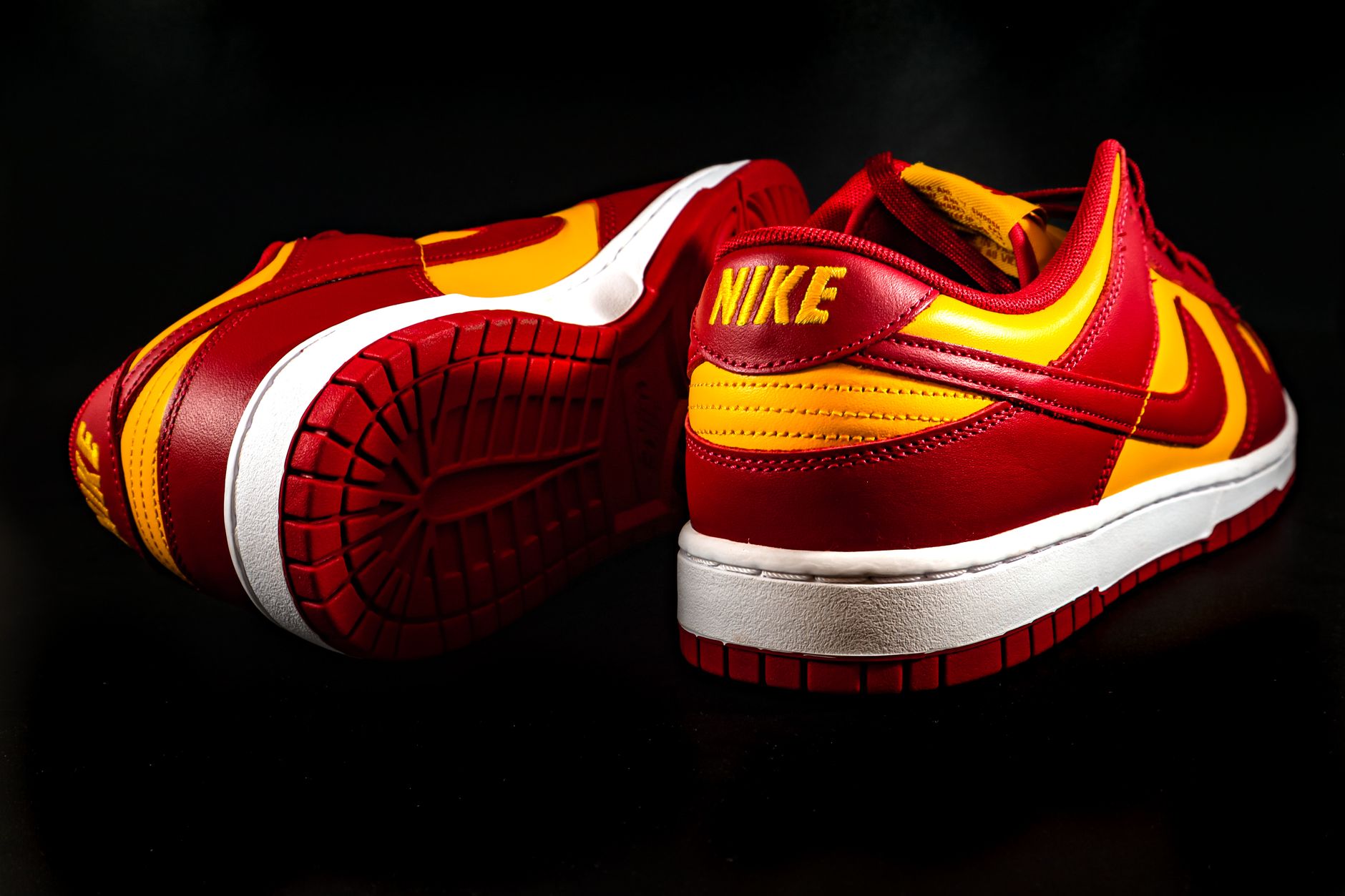
Primary: Leather Low-Top Something water-resistant that cleans up easily. The Nike Dunk Low in a leather colorway is the obvious pick. The Adidas Samba works too — the gum sole and smooth leather handle wet pavement without drama.
Secondary: Canvas Sneaker Once April settles in and the rain backs off, a canvas shoe like Converse Chuck 70s or Vans Authentic gives your leather pairs a break. These are the "it's finally warm enough to not care" shoes.
Wildcard: Retro Runner An ASICS Gel-1130 or New Balance 2002R in a spring colorway. Not waterproof, so save these for confirmed dry days. They add texture variety to your rotation and pair well with the wider pants trending this year.
Summer Rotation (June-August)
Heat and sweat are the enemies. Breathability is everything.
Primary: Mesh Runner Nike Air Max, New Balance 990 series, or any runner with significant mesh paneling. Your feet need airflow. Bonus if the colorway works with shorts — which it should, since you'll be in shorts a lot.
Secondary: Canvas/Minimal Sneaker White canvas sneakers live here. They're light, they go with everything, and they develop character through summer wear that actually looks good. Check our best white sneakers roundup for current picks.
Wildcard: Slides/Sandals Not technically sneakers, but they're part of the rotation. Suicoke, Nike Calm slides, or Birkenstock Bostons give your feet a break and your sneakers recovery time.
Fall Rotation (September-November)
The best sneaker season. Temperatures drop, layering begins, and suddenly every shoe in your collection looks better because the outfits supporting them get more interesting.
Primary: Suede Sneaker Fall is suede season. New Balance 550 in suede, Nike Dunk High in earth tones, or anything with suede paneling. The texture pairs perfectly with cargo jackets, flannels, and heavier denim.
Secondary: Mid-Top or High-Top As pants get longer and layers get taller, you can bring in mid-tops without them looking out of place. Jordan 1 Mids, Converse Chuck 70 Hi, or even a hiking-influenced sneaker boot.
Wildcard: Statement Sneaker Fall is when you break out the louder pairs. The colorways that feel like too much in summer suddenly work when surrounded by earth tones and dark layers. That bold colorway you've been sitting on — fall is its moment.
Winter Rotation (December-February)
Survival mode. The goal is keeping your feet warm and dry while not looking like you gave up.
Primary: Weatherized Sneaker Gore-Tex editions from Nike, New Balance, or ASICS exist for this exact reason. They look like regular sneakers but handle snow, slush, and rain. The Nike Air Force 1 Gore-Tex is a reliable winter warrior.
Secondary: Leather Boot-Sneaker Hybrid Something like the Nike Air Force 1 High, Timberland x streetwear collabs, or the Dr. Martens boot sneakers that keep circulating. These split the difference between boot protection and sneaker comfort.
Wildcard: Beater Pair Every rotation needs a pair you don't care about. The ones that handle salt-stained sidewalks, surprise puddles, and the general brutality of winter. Old runners, last year's dailies, whatever. No guilt, no stress.
Building Your Rotation on a Budget
The Minimum Viable Rotation (4 Pairs)
If you're working with a limited budget — and honestly, even if you're not — here's the smallest effective rotation:
- White leather low-top (year-round workhorse) — Under $100 options here
- Black or dark mesh runner (spring through fall)
- Suede mid-top in earth tone (fall/winter primary)
- Beater pair (winter/bad weather)
Total investment: $200-$400 if you shop sales and aren't chasing hype.
The Comfortable Rotation (7 Pairs)
This is where most people should land:
- White leather low-top
- Colored leather low-top (Samba, Dunk, etc.)
- Canvas sneaker (Chucks or Vans)
- Mesh runner (neutral colorway)
- Suede sneaker (earth tone)
- Weatherized sneaker or boot hybrid
- Wildcard/statement pair
Total investment: $500-$900 depending on brand choices.
The Enthusiast Rotation (10 Pairs)
For people who genuinely enjoy sneakers but want to stay disciplined:
1-7 from above, plus: 8. Second runner in a different colorway 9. High-top for fall/winter 10. Slides or sandals for summer recovery
This covers every possible scenario across twelve months. Anything beyond 10 is collection territory, not rotation territory. Nothing wrong with that — just know the distinction.
The One-In-One-Out Rule
The single best rule for keeping your rotation functional: every time a new pair comes in, an old pair goes out. Sell it, donate it, retire it to beater status. This keeps your total count stable and prevents the slow creep toward 20+ pairs that you "might wear someday."
Exceptions: if you're building up to your target rotation size, you're still in accumulation phase. The rule kicks in once you hit your number.
Sneaker Care by Season
Spring Care Protocol
- Apply water-repellent spray to leather and suede before the season starts
- Keep a microfiber cloth in your bag for quick wipe-downs after rain
- Let wet sneakers air dry with newspaper stuffed inside — never use direct heat
Summer Care Protocol
- Clean canvas sneakers with baking soda paste after heavy wear
- Rotate insoles if you sweat heavily — replaceable insoles extend shoe life significantly
- Store off-duty pairs in a cool, dry place away from direct sunlight (UV degrades materials)
Fall Care Protocol
- Brush suede with a suede brush weekly during heavy rotation
- Apply suede protector spray every 2-3 weeks
- Check soles for wear patterns — fall's wet leaves are surprisingly slippery
Winter Care Protocol
- Wipe salt stains immediately — salt is corrosive and will permanently damage leather and suede
- Use a sneaker cleaning solution after every snow/slush exposure
- Stuff shoes with cedar shoe trees when not in use — they absorb moisture and maintain shape
- Waterproof everything before the first snowfall, not after
How to Store Off-Season Sneakers
When a pair leaves your active rotation for a few months:
- Clean them thoroughly — dirt and stains set permanently over time
- Stuff with acid-free tissue paper or cedar shoe trees to maintain shape
- Store in original boxes if you have them, or in clear drop-front containers so you can see what's inside
- Keep in a climate-controlled space — attics and garages have temperature swings that crack leather and yellow soles
- Add silica gel packets to absorb moisture during storage
One thing people miss: even in storage, check on your sneakers every month or two. Midsole separation, yellowing, and mold can happen while shoes sit untouched. Catching it early saves the shoe.
Colorway Strategy Across Seasons
Your rotation should cover these color zones:
- Neutral (white/black/grey): At least 2-3 pairs. These go with everything and carry the heaviest rotation load.
- Earth tones (olive/brown/tan/burgundy): 1-2 pairs. These shine in fall and pair with the current color trends.
- Color pop: 1 pair maximum. The statement sneaker. The one that gets compliments. Don't overdo this category — one pair is plenty.
The neutral pairs will get the most wear, so spend more on quality there. Your statement pair can be the experimental purchase because it gets worn less frequently.
The Rotation Calendar Approach
Some people find it helpful to literally plan their rotation. Here's a simple approach:
Monday-Friday (Work/School): Pull from your primary seasonal pair and one secondary. Alternate days.
Weekend: This is where the wildcard pair and your statement sneakers come out. Weekends are lower stakes and shorter wear windows — perfect for shoes that prioritize style over all-day comfort.
Events/Going Out: Your cleanest pair in current rotation. This is usually the newest addition or the pair you've been most careful with.
Gym/Active: Not part of your streetwear rotation. Performance shoes are a separate category entirely. Don't wear your rotation sneakers to the gym unless you want to retire them early.
Signs It's Time to Retire a Pair
- Midsole is permanently compressed (no bounce back after 48 hours of rest)
- Outsole tread is smooth in the ball of the foot
- Upper material has irreparable damage (holes, permanent stains, material separation)
- They smell bad even after cleaning (bacteria has permanently colonized the interior)
- Heel counter has lost its structure and collapses inward
A retired shoe can still serve as your winter beater for one last season before it's truly done. Get every possible mile out of them.
Final Thoughts
A smart sneaker rotation isn't about having fewer shoes — it's about having the right shoes doing the right jobs at the right times. Every pair in your rotation should earn its slot by covering a specific use case that no other pair covers.
If two pairs in your collection serve the same purpose for the same season, one of them needs to go. That's not minimalism for its own sake. That's just efficiency.
Start with four. Build to seven. Cap at ten unless collecting is part of your identity. And remember — the best sneaker in your rotation is the one you actually wear.
For more on building a complete streetwear wardrobe without overspending, check our budget wardrobe guide and our best sneakers under $100 roundup.
Shop this guide
Generic Microfiber Sneaker Cleaning Cloth
BUY ON AMAZON →Generic Suede Sneaker Brush
BUY ON AMAZON →Generic Sneaker Cleaning Solution
BUY ON AMAZON →RELATED READS
Nike Total 90 Revival: From Soccer Boot to Summer Staple
The Nike Total 90's soccer‑boot origins, its technical design, colorway tips, and how it stacks up against the Adidas Gazelle in the 2026 terrace‑sneaker wave.

adidas SL 72 Review: The 2026 Samba Replacement You Need
The adidas SL 72 RS is the sneaker dethroning the Samba in 2026: heritage, fit, sizing notes, and four styling formulas for the go‑to terrace‑adjacent shoe.

Gel Kayano 14 vs Gel‑1130: 2026’s Retro‑Runner Face‑Off
A deep dive into ASICS’ 2026 retro‑runner champions – the premium Gel‑Kayano 14 and the value‑focused Gel‑1130.