
Sneaker Tongue Types: Foam Mesh Gusseted and Padded Compared
Everything you need to know about sneaker tongue types. Compare foam, mesh, gusseted, and padded tongues to find the best fit and comfort for your kicks.
Reader-supported: we may earn a commission from links in this article, at no cost to you. As an Amazon Associate we earn from qualifying purchases. How we make money.
The Part of the Shoe Nobody Talks About
You've spent hours researching colorways. You've watched twelve YouTube reviews about the midsole foam. You've compared retail prices across five apps. But have you ever thought about the tongue?
Probably not. The sneaker tongue is the least glamorous part of any shoe. It doesn't show up in product photos (it's hidden behind laces). It doesn't get its own technology marketing. Nobody has ever said "I'm copping those because the tongue is insane."
And yet the tongue fundamentally shapes how a sneaker feels on your foot. A bad tongue turns a great shoe into an uncomfortable one. A great tongue makes you forget you're wearing shoes at all. It affects fit, comfort, breathability, and even how the shoe looks when worn.
Let's break down every type of sneaker tongue, what each one does well, and which shoes feature them.
Tongue Types Explained
Foam Padded Tongue
What it is: A thick tongue filled with foam padding, usually covered in leather, suede, or synthetic material.
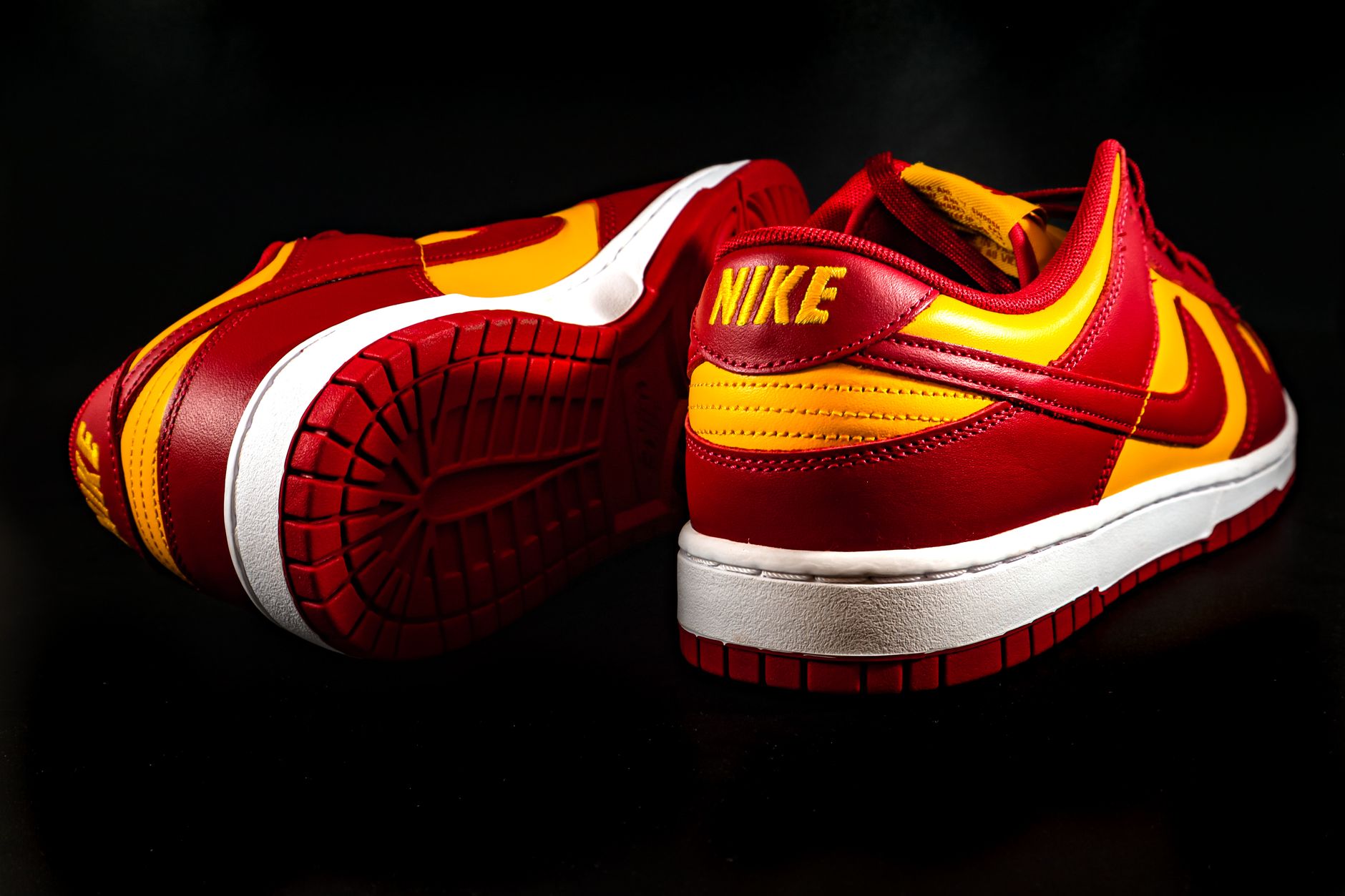
Where you've seen it: Air Jordan 1, Nike Dunk, Air Force 1, most retro basketball shoes.
The foam padded tongue is the classic. It's what most people picture when they think of a sneaker tongue — thick, cushioned, and substantial. The foam provides padding against the laces, preventing pressure points on the top of your foot.
Pros:
- Excellent comfort and cushioning
- Fills the gap between your foot and the laces, creating a secure fit
- Holds its shape well over time
- Gives retro sneakers their characteristic puffy aesthetic
Cons:
- Can feel hot in warm weather (foam traps heat)
- Adds weight to the shoe
- Thick tongues can be uncomfortable for people with high insteps
- Can slide to one side if not gusseted
Best for: Casual wear, retro sneakers, cold weather, people who prioritize comfort over breathability.
The Air Jordan 1's tongue is the gold standard. Thick enough to cushion, structured enough to hold position, and padded enough that you can lace them tight without discomfort. If you're buying Dunks or Jordans, you're getting a foam padded tongue.
Mesh Tongue
What it is: A thin, breathable tongue made primarily of mesh fabric, sometimes with minimal foam backing.
Where you've seen it: Nike Air Max, most running shoes, Adidas Ultraboost, New Balance modern runners.
Mesh tongues prioritize breathability over padding. They're thin, lightweight, and let air circulate through the shoe. Performance running shoes almost universally use mesh tongues because runners need ventilation more than cushioning on the tongue.
Pros:
- Excellent breathability
- Lightweight — barely adds to the shoe's weight
- Dries quickly when wet
- Comfortable in warm weather
Cons:
- Minimal padding means lace pressure can be felt
- Less durable than foam tongues — mesh can tear or fray
- Doesn't provide the "locked in" feeling of padded tongues
- Can look flimsy on chunkier silhouettes
Best for: Running shoes, warm-weather sneakers, performance footwear, people who run hot.
The Adidas Ultraboost uses a mesh tongue that basically disappears when you're wearing it. You don't feel it, which is exactly the point. For sneakers under $100, mesh-tongue runners often provide the best comfort-to-price ratio.
Gusseted Tongue
What it is: A tongue that's attached to the upper on both sides, either partially (semi-gusseted) or fully (fully gusseted). The tongue is "sewn in" rather than floating freely.
Where you've seen it: Many hiking boots, ASICS GEL-Kayano, some New Balance models, Converse Chuck 70.
The gusseted tongue solves the single most annoying problem in sneaker design: tongue slide. You know the thing where your tongue slowly migrates to one side of the shoe until it's bunched against your ankle? A gusseted tongue can't do that because it's attached to the shoe's sides.
Pros:
- Eliminates tongue slide completely
- Keeps debris out of the shoe (important for outdoor use)
- Creates a more consistent fit
- Tongue stays centered even with loose lacing
Cons:
- Can restrict foot entry — harder to get your foot in
- Less adjustability for different foot shapes
- Can feel constricting for wide feet
- Sometimes creates pressure points at the attachment seams
Best for: Hiking, outdoor activities, anyone who hates tongue slide, people who prefer consistent fit.
Our pick: ASICS GEL-Kayano 14 — Gusseted tongue with retro runner aesthetics that are very much in streetwear right now.
Burrito Tongue (Bootie Tongue)
What it is: A tongue that wraps around the foot in a single piece, creating a bootie-like inner construction. There's no separate tongue — the entire upper folds around your foot.
Where you've seen it: Adidas Yeezy 350 V2, Nike Flyknit Racer, Adidas NMD, most sock-like sneakers.
The burrito tongue — sometimes called a bootie tongue or integrated tongue — is the modern approach. Instead of a separate piece of fabric sitting on top of your foot, the entire upper wraps seamlessly around it. The "tongue" is just the front section of this continuous material.
Pros:
- No tongue slide (there's nothing separate to slide)
- Extremely comfortable — hugs the foot like a sock
- Clean aesthetic with minimal visible construction
- Lightweight
Cons:
- Can be harder to put on (no tongue to pull back)
- Doesn't work well with all foot shapes
- Can feel too tight for people with wide feet
- Less adjustable — you can't loosen the tongue independently
Best for: Performance shoes, minimalist aesthetics, sock-like fit preference, modern silhouettes.
The Yeezy 350 V2 popularized this construction in streetwear. That seamless, sock-like fit became a defining characteristic of mid-2010s sneaker design and influenced countless shoes that followed.
Split Tongue
What it is: A tongue divided into two overlapping sections that create a smooth, gap-free surface under the laces.
Where you've seen it: Nike Air Rift, some ASICS models, experimental sneakers.
Split tongues are rare but interesting. The two halves overlap, creating a uniform surface that distributes lace pressure evenly and eliminates the gap where a traditional tongue meets the upper. It's an engineering solution to a problem most people don't know exists.
Pros:
- Even pressure distribution
- No gap between tongue and upper
- Unique aesthetic
- Good for people sensitive to lace pressure
Cons:
- Uncommon — limited shoe options
- Can feel unusual if you're used to traditional tongues
- Harder to repair or replace
Best for: People who want something different, those sensitive to lace pressure points.
Neoprene Tongue
What it is: A tongue made from neoprene (wetsuit material), offering water resistance and structure.
Where you've seen it: Timberland boots, winter sneakers, some Nike ACG models, various weatherized versions of popular silhouettes.
Neoprene tongues show up in shoes designed for wet or cold conditions. The material resists water absorption, provides insulation, and maintains its structure when damp. Streetwear-wise, you'll encounter them on winter sneaker rotations and weatherized versions of popular models.
Pros:
- Water resistant
- Insulating in cold weather
- Maintains shape when wet
- Durable and long-lasting
Cons:
- Hot in warm weather
- Heavier than mesh or thin foam
- Doesn't breathe
- Can develop odor if not maintained
Best for: Winter sneakers, rainy climates, outdoor use.
How Tongue Type Affects Styling
This might seem like a stretch, but tongue type genuinely affects how a sneaker looks on foot — which affects how it works in an outfit.
High-Tongue Visibility Styles
If you're wearing shorts, cropped pants, or cuffed jeans where the tongue is visible:
- Padded tongues look chunky and retro — good for vintage-inspired fits
- Mesh tongues disappear visually, keeping the focus on the upper
- Burrito tongues create a clean, seamless look
Stacking and Coverage
If your pants cover the tongue:
- It literally doesn't matter what tongue type you have
- But thicker tongues create a more defined break between pant leg and shoe
Lacing Styles and Tongue Exposure
How you lace affects tongue visibility:
- Tight lacing compresses the tongue, minimizing its visual presence
- Loose lacing allows padded tongues to puff up and become a design element
- No-tie/elastic lacing works best with gusseted or burrito tongues that stay positioned without lace tension
Tongue Comfort: A Practical Guide
For Wide Feet
Avoid fully gusseted and burrito/bootie tongues. They restrict the foot's natural spread. Go with a traditional foam padded tongue in a shoe with a wide size option. The tongue's flexibility accommodates wider feet better.
For High Arches
Thick padded tongues can create pressure on high insteps. Look for shoes with thinner tongues or adjustable tongue positioning. Some shoes have tongue loops on the upper that let you position the tongue higher or lower.
For Sweaty Feet
Mesh tongues and perforated foam tongues are your friends. Neoprene and thick padded tongues will make the problem worse. Breathability in the tongue area significantly impacts overall foot temperature.
For All-Day Wear
A moderately padded gusseted tongue is the best for long days. It stays in position (gusseted), cushions against lace pressure (padded), and provides consistent comfort without being too hot (moderate padding). The Adidas Samba uses a version of this approach.
Tongue Modifications and Customization
Tongue Padding Addition
If your shoes have thin tongues that cause lace pressure, you can add aftermarket tongue pads. These stick-on pads attach to the underside of the tongue and add cushioning. Available at any shoe store for a few dollars.
Tongue Centering
Tired of your tongue sliding? You can create a DIY gusset by stitching or gluing the tongue edges to the upper. It's a permanent modification, so only do this on shoes you're committed to keeping.
Tongue Swaps
Some sneaker customizers swap tongues between shoes for aesthetic or functional purposes. Putting a padded Nike tongue on a shoe with a thin tongue changes the entire feel and look. This requires sewing skills or a cobbler.
Which Sneakers Have the Best Tongues?
Based on comfort, fit, and staying power:
- Air Jordan 1 — The padded tongue benchmark. Thick, comfortable, stays put with proper lacing.
- New Balance 990v5 — Moderately padded with a gusseted construction. Stays centered, breathes decently.
- Adidas Samba — Thin padded tongue that sits flat and comfortable. Doesn't interfere with low-profile styling.
- ASICS GEL-1130 — Padded and partially gusseted. Great for all-day wear.
- Nike Air Max 90 — Foam padded with the visible pull tab. Comfortable and iconic.
Visit our sneaker guides for full reviews, and check the shop for curated picks across all tongue types. Because yes, tongue type should factor into your next purchase. You're going to be wearing these shoes for hundreds of hours. The tongue matters.
Shop this guide
ASICS GEL-Kayano 14
ASICS
Gusseted tongue with retro runner aesthetics that are very much in streetwear right now.
BUY ON AMAZON →RELATED READS
Nike Total 90 Revival: From Soccer Boot to Summer Staple
The Nike Total 90's soccer‑boot origins, its technical design, colorway tips, and how it stacks up against the Adidas Gazelle in the 2026 terrace‑sneaker wave.

adidas SL 72 Review: The 2026 Samba Replacement You Need
The adidas SL 72 RS is the sneaker dethroning the Samba in 2026: heritage, fit, sizing notes, and four styling formulas for the go‑to terrace‑adjacent shoe.

Gel Kayano 14 vs Gel‑1130: 2026’s Retro‑Runner Face‑Off
A deep dive into ASICS’ 2026 retro‑runner champions – the premium Gel‑Kayano 14 and the value‑focused Gel‑1130.