
Lightest Sneakers Ranked: When Weight Actually Matters
A real ranking of the lightest streetwear sneakers by actual weight, plus when shoe weight matters for comfort and when it doesn't. Data over hype.
Reader-supported: we may earn a commission from links in this article, at no cost to you. As an Amazon Associate we earn from qualifying purchases. How we make money.
The Weight Thing Nobody Measures
Sneaker reviews talk about "lightweight feel" and "barely there on foot" like these are meaningful descriptions. They're not. They're subjective impressions that tell you more about the reviewer's expectations than the shoe's actual weight. What you need is data — how much does each shoe actually weigh, how does that weight affect comfort over long periods, and does lighter always mean better?
The answer to that last question is no. But the relationship between weight and comfort is real, measurable, and worth understanding if you're choosing between sneakers for all-day wear, travel, or any situation where your feet carry you more than a few blocks.
This guide ranks popular streetwear sneakers by verified weight, explains when weight matters, and helps you make a choice based on numbers instead of marketing.
Why Weight Matters (Sometimes)
The Cumulative Effect
A single step in a 14-ounce shoe versus a 10-ounce shoe is imperceptible. Over 10,000 steps — a normal city day — the difference is about 250 pounds of additional weight lifted per foot. Over a week of vacation walking, that's thousands of additional pounds your legs process. This cumulative effect is why weight matters for high-step-count days and why it's largely irrelevant for short outings.
Weight vs. Cushioning
Here's the complication: lighter shoes often achieve their weight savings by reducing cushioning material. A stripped-down minimalist sneaker might weigh 7 ounces but provide almost no impact absorption. A heavily cushioned runner might weigh 12 ounces but absorb significantly more impact per step. Which is actually easier on your body?
For most people, moderate weight with good cushioning beats ultralight with minimal cushioning. The exception is if you're already a conditioned walker/runner whose body has adapted to minimal footwear. For the average person buying sneakers for streetwear and daily use, cushioning quality matters more than raw weight.
Weight Distribution
Where the weight sits matters as much as total weight. Shoes that concentrate weight in the sole (like those with heavy rubber outsoles) feel heavier than shoes that distribute weight evenly. This is why two shoes at the same total weight can feel dramatically different on foot. An Air Max 90 and an Ultraboost might be similar weights, but the Air Max's concentrated heel unit makes it feel heavier.
The Weight Rankings (Size 10 US Men's, Single Shoe)
Ultralight Tier (Under 8 oz / 227g)
Nike Free RN — 6.9 oz (196g) The lightest mainstream sneaker you can buy. The Free RN achieves this through a minimal upper and a deeply siped outsole that flexes with your foot. The tradeoff is almost no structure and limited cushioning. It feels like wearing a sock with a sole. Good for gym sessions and short walks. Not ideal for all-day city wear.
Adidas Ultraboost Light — 7.8 oz (221g) Adidas's lightest Boost shoe strips the upper to a minimal knit and uses a refined Boost midsole. This is the better option in the ultralight tier because you get genuine cushioning at a near-minimal weight. The Ultraboost remains one of the best all-day comfort shoes in any weight class.
New Balance FuelCell — 7.5 oz (213g) New Balance's performance running foam in a lightweight package. Less streetwear-friendly than other NB options, but if you need lightweight comfort for high-step-count days and don't care about fashion, it's a strong performer.
Light Tier (8-10 oz / 227-283g)
Nike Vomero 5 — 9.2 oz (261g) The Vomero 5 has become one of the most hyped silhouettes in streetwear, and part of its appeal is the comfort-to-weight ratio. Under 10 ounces for a shoe with significant ZoomX cushioning is impressive. It walks the line between lifestyle sneaker and performance runner better than almost anything else.
ASICS Gel-Lyte III — 9.5 oz (269g) The split-tongue classic hits a comfortable weight that doesn't drag over long walks. The GEL system provides stable cushioning without adding excessive weight. A solid all-day option that covers both style and substance.
Adidas Samba — 9.8 oz (278g) Heavier than you'd expect for a shoe with minimal cushioning. The Samba's weight comes from the leather upper and gum rubber outsole. It's a testament to how much upper material contributes to total weight. Comfortable for moderate walking, not ideal for marathon city days.
Vans Authentic — 8.5 oz (241g) Surprisingly light, thanks to the minimal canvas construction and thin vulcanized sole. The tradeoff is zero cushioning technology — your feet feel every step through that thin rubber outsole. Light on your feet, heavy on your joints.
Medium Tier (10-12 oz / 283-340g)
Nike Air Force 1 Low — 11.2 oz (318g) The AF1 is heavier than most people realize. That thick Air-Sole unit and the full leather upper add up. It's fine for casual wear, but a full day of city walking in Air Force 1s will tire your legs faster than lighter alternatives. The shoe's iconic status in streetwear sometimes overshadows its comfort limitations.
New Balance 550 — 11.0 oz (312g) Another leather shoe that carries more weight than expected. The 550's retro design doesn't include modern cushioning technology, so you're carrying the weight without the corresponding comfort benefit. Great for short outings and styling; less ideal for extended walking.
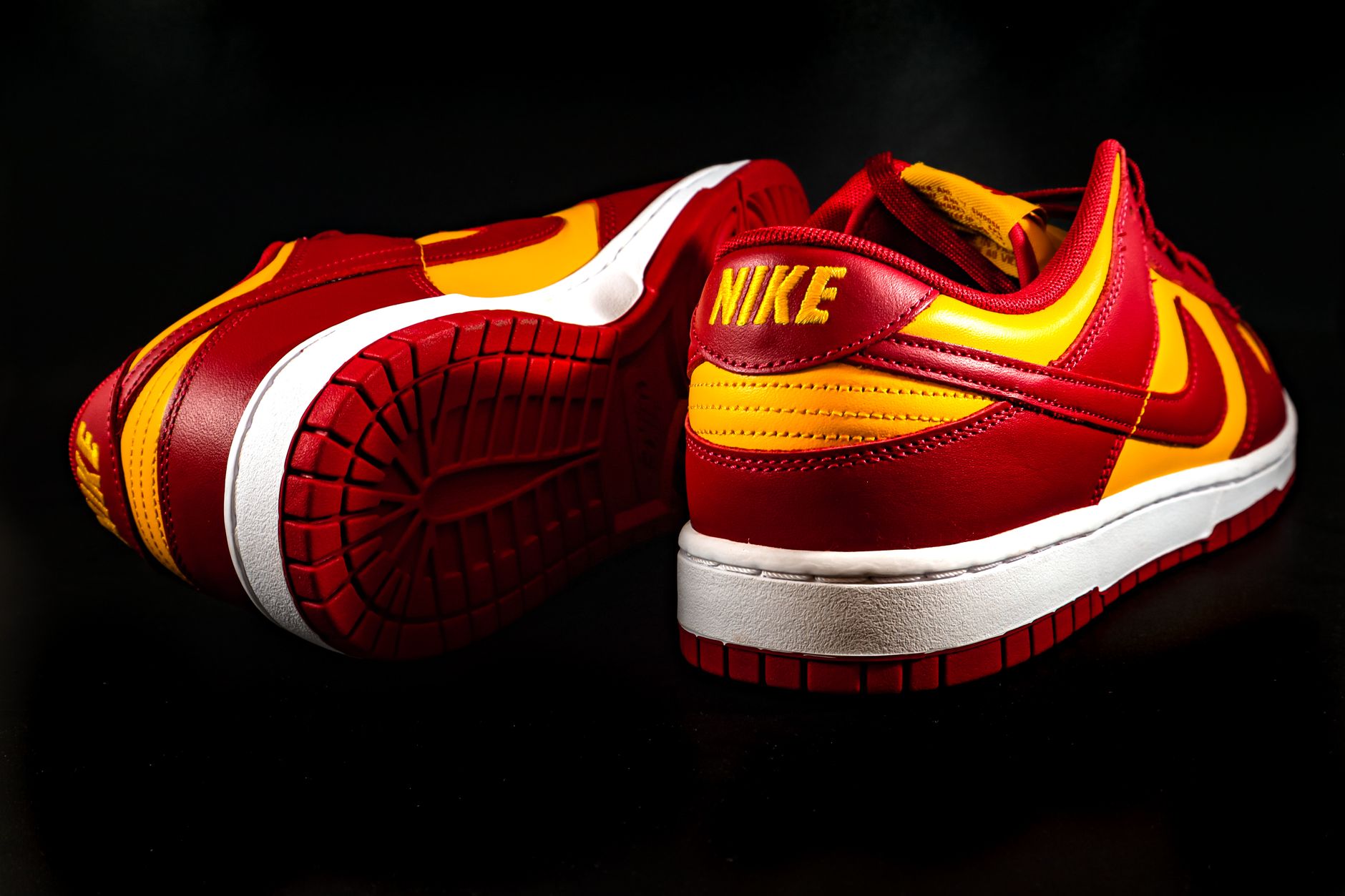
Nike Dunk Low — 10.8 oz (306g) Similar story to the Air Force 1 but slightly lighter. The Dunk was designed as a basketball shoe in 1985, and its construction reflects that era's heavier materials and minimal cushioning technology. Adequate for daily wear but outclassed by modern runners for comfort.
Jordan 1 Low — 11.5 oz (326g) The heaviest shoe in this tier. The Jordan 1's leather construction and Air-Sole unit create a shoe that looks great but fatigues faster than lighter options on long days. Reserve these for outfit-first occasions rather than step-heavy days.
Heavy Tier (12+ oz / 340g+)
New Balance 990v6 — 13.0 oz (369g) Here's where it gets interesting. The 990v6 is one of the heaviest mainstream sneakers, but it's also one of the most comfortable for all-day wear. The ENCAP midsole and FuelCell insert provide exceptional cushioning that more than compensates for the weight. This shoe proves that weight isn't everything — New Balance prioritized comfort over lightness and got it right.
ASICS Gel-Kayano 14 — 12.5 oz (354g) The Gel-Kayano 14 is heavy but built for stability. The GEL units, the structured midsole, and the supportive upper all add weight, but they also create a shoe that keeps your foot aligned over miles of walking. For overpronators especially, this weight buys genuine functional benefit.
Nike Air Max 90 — 12.8 oz (363g) The visible Air Max unit adds weight below the heel, creating a noticeable bottom-heavy feel. The Air Max 90 is an icon, but it's not a comfortable walking shoe by modern standards. Wear it for the look, not the function.
The Comfort-to-Weight Ratio: A Better Metric
Raw weight doesn't capture the full picture. A more useful metric is how much comfort technology you get per ounce. Here's a rough ranking:
| Shoe | Weight | Cushioning Rating | Comfort-per-Ounce | |------|--------|------------------|--------------------| | Ultraboost Light | 7.8 oz | 9/10 | Exceptional | | Nike Vomero 5 | 9.2 oz | 8/10 | Excellent | | NB 990v6 | 13.0 oz | 9/10 | Good | | ASICS Gel-Kayano 14 | 12.5 oz | 8/10 | Good | | ASICS Gel-Lyte III | 9.5 oz | 7/10 | Good | | Nike Air Force 1 | 11.2 oz | 5/10 | Poor | | Nike Dunk Low | 10.8 oz | 4/10 | Poor | | Vans Authentic | 8.5 oz | 2/10 | Very Poor |
The Ultraboost and Vomero 5 dominate this metric — they deliver premium cushioning at lightweight prices. The AF1 and Dunk are the worst performers — they're heavy for what they offer comfort-wise.
When to Prioritize Weight
Travel
If you're packing sneakers for travel and walking 15,000+ steps daily, weight should be a primary consideration. The Ultraboost or Vomero 5 are significantly better travel shoes than Air Force 1s or Dunks, purely because your legs will thank you at the end of each day.
Standing Events
Concerts, pop-ups, waiting in line for drops, working retail shifts — any situation where you're on your feet for hours with minimal walking. Cushioning matters more than weight here. The NB 990v6, despite its weight, is a better choice than an ultralight shoe with no cushioning.
Daily Commuting
If you walk to work, to the train, from the train, and back, those 30-60 minutes of walking each way add up. A lighter, well-cushioned shoe reduces cumulative fatigue. Check our best sneakers under $100 for budget-friendly options that prioritize comfort.
Short Outings
Going to dinner? Meeting friends for an hour? The shoe weight is irrelevant. Wear whatever looks best. The comfort difference between a 7-ounce shoe and a 13-ounce shoe is undetectable over 2,000 steps.
The Aftermarket Insole Play
If you love the look of a heavier shoe but want better comfort, an aftermarket insole can transform the experience. Brands like Superfeet, SOLE, and Currex make insoles that add cushioning and arch support to any shoe. This adds 1-2 ounces of weight but can dramatically improve the comfort-to-weight ratio of shoes with poor stock insoles — which includes most lifestyle sneakers.
This is particularly effective in shoes like the Nike Dunk and Air Force 1, where the stock insole is essentially a flat piece of foam. Replacing it with a structured insole closes much of the comfort gap with dedicated running shoes.
The Bottom Line
Shoe weight is a real factor in comfort, but it's not the only factor or even the most important one. Cushioning technology, fit, arch support, and weight distribution all matter more for all-day comfort than raw ounce counts. The lightest shoe isn't automatically the most comfortable, and the heaviest shoe isn't automatically the least comfortable.
Use weight as one data point among many. For high-step-count days, lean toward the lighter end. For short outings, wear what you like. And always prioritize how a shoe feels on your foot over what the spec sheet says. Browse our shop for streetwear that works with any sneaker in your rotation.
Shop this guide
Adidas Ultraboost Light
Adidas
Adidas's lightest Boost shoe offers genuine cushioning at a near-minimal weight.
BUY ON AMAZON →RELATED READS
Nike Total 90 Revival: From Soccer Boot to Summer Staple
The Nike Total 90's soccer‑boot origins, its technical design, colorway tips, and how it stacks up against the Adidas Gazelle in the 2026 terrace‑sneaker wave.

adidas SL 72 Review: The 2026 Samba Replacement You Need
The adidas SL 72 RS is the sneaker dethroning the Samba in 2026: heritage, fit, sizing notes, and four styling formulas for the go‑to terrace‑adjacent shoe.

Gel Kayano 14 vs Gel‑1130: 2026’s Retro‑Runner Face‑Off
A deep dive into ASICS’ 2026 retro‑runner champions – the premium Gel‑Kayano 14 and the value‑focused Gel‑1130.