
Does Sneaker Weight Matter for Style or Just Comfort
Breaking down whether sneaker weight actually impacts your streetwear fits or if it only matters for performance. A practical guide for sneakerheads who walk all day.
Reader-supported: we may earn a commission from links in this article, at no cost to you. As an Amazon Associate we earn from qualifying purchases. How we make money.
Nobody Talks About Sneaker Weight. They Should.
You spend hours researching colorways, comparing leather quality, and debating which collaboration justified a 300% markup. But when was the last time you checked how much your sneakers actually weigh?
Sneaker weight is the invisible variable that determines whether you love wearing a shoe or quietly dread putting it on after the first few hours. It affects your gait, your silhouette, and—if you're on your feet all day—your willingness to actually wear the shoes you spent real money on.
The sneaker industry doesn't want you thinking about weight because it complicates the narrative. A chunky shoe can look incredible but feel like concrete. A lightweight runner can feel like clouds but look like you're headed to a 5K. The sweet spot exists, but you have to know what you're looking for.
The Weight Spectrum: Where Popular Sneakers Fall
Let's put real numbers on this. Weights are per shoe (single foot, men's size 10) because that's the standard measurement.
Ultra-Light (Under 9 oz)
- Nike Free RN — ~7.6 oz
- Adidas Ultraboost Light — ~8.8 oz
- New Balance FuelCell — ~7.9 oz
These are running shoes first, lifestyle shoes second. They feel incredible on foot but tend to look technical. If you're going gorpcore or athletic-adjacent, these work. For traditional streetwear fits, they can look out of place.
Light (9-12 oz)
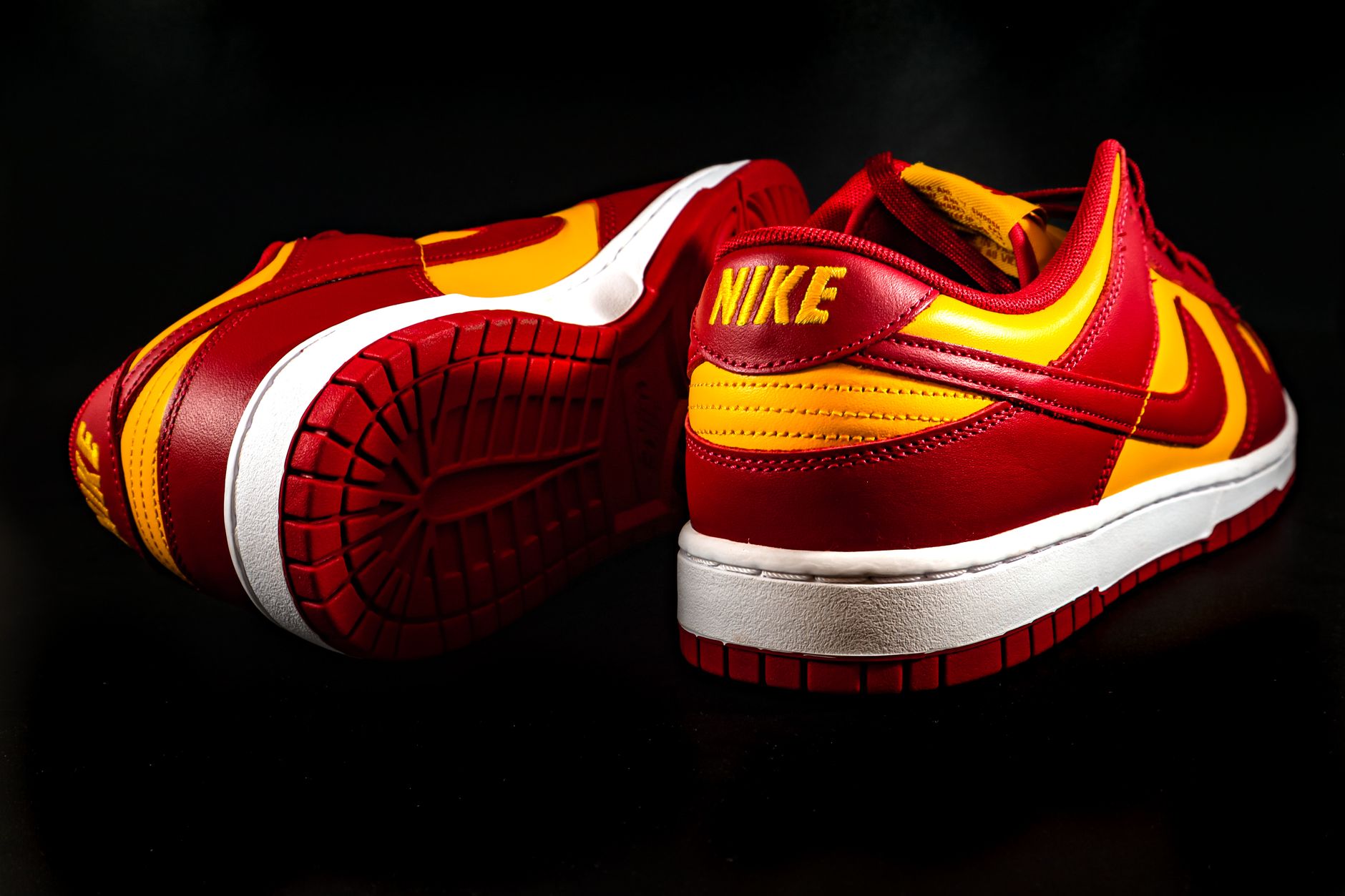
- Nike Dunk Low — ~11.5 oz
- Adidas Samba — ~10.2 oz
- New Balance 550 — ~11.8 oz
- Converse Chuck 70 — ~10.5 oz
This is the sweet spot for streetwear. Light enough for all-day wear, substantial enough to anchor a fit. The Adidas Samba sits right in the middle of this range, which partially explains why it's been so dominant—it feels as good as it looks.
Medium (12-16 oz)
- Air Jordan 1 High — ~14.5 oz
- Nike Air Force 1 — ~13.2 oz
- New Balance 990v6 — ~13.8 oz
The classics live here. These shoes have enough heft to feel premium on foot, and the weight contributes to their visual presence. An Air Force 1 wouldn't look the same if it weighed 8 oz—part of its appeal is that substantial, planted look that comes from actual mass.
Heavy (16+ oz)
- Nike Air Max 95 — ~16.1 oz
- Yeezy 700 v1 — ~17.2 oz
- Balenciaga Triple S — ~20+ oz
This is where weight becomes a genuine factor in your day. Anything over a pound per shoe means you're lifting extra weight with every step. For short outings or photo-heavy events, fine. For a full day of walking? Your feet will let you know.
Does Weight Affect How a Sneaker Looks?
Yes, but not the way you'd expect.
The Visual Mass Effect
Heavier sneakers tend to have thicker midsoles, more material layers, and chunkier silhouettes. This creates visual mass at the base of your outfit, which anchors everything above it. Wide-leg pants with a lightweight sneaker can look bottom-heavy up top and flimsy at the feet. The same pants with a medium-weight shoe create balance.
This is why the chunky sneaker trend worked so well with oversized fits. The proportions matched. A 20 oz Triple S under baggy pants creates a cohesive silhouette that a 7 oz running shoe simply cannot.
The Drape Factor
Sneaker weight affects how your pants interact with your shoes. Heavier shoes with higher collars push pant legs up and out, creating natural stacking. Lightweight low-tops let pants drape over them, which can either look clean (with tapered pants) or sloppy (with anything too wide).
If you're wearing raw hem jeans, a medium-weight sneaker gives the hem something to rest against without bunching.
The Walk
This one's subtle but real. Heavy shoes change your gait. You plant more deliberately, your stride shortens slightly, and your overall movement reads as more grounded. Lightweight shoes make you bouncier, quicker, more athletic in your movement. Neither is better—it depends on the energy you're going for.
Weight vs. Comfort: The Real Conversation
Here's where things get honest. Weight is not the only factor in comfort, but it's a multiplier.
Cushioning Technology Matters More
A 14 oz shoe with Nike ZoomX foam will feel lighter on foot than a 10 oz shoe with a flat rubber sole. Cushioning absorbs impact and returns energy, which makes heavier shoes feel lighter during movement. This is why New Balance 990v6 fans will tell you the shoe feels lighter than it weighs—the ENCAP midsole is doing work.
Upper Material Affects Perceived Weight
Leather uppers add actual weight but also add structure that distributes weight across your foot. Knit uppers are lighter but offer less support, which can make your foot work harder. Working harder = feeling heavier even when the shoe technically weighs less.
Break-In Period Changes Everything
A brand-new pair of Air Jordan 1s feels noticeably heavier than a pair with 50 wears on them. The leather softens, the midsole compresses slightly, and the shoe molds to your foot. First-day weight is not everyday weight.
When Weight Actually Matters
Commuting
If you walk more than 20 minutes to get somewhere, sneaker weight is a real consideration. Every ounce adds up over thousands of steps. A 4 oz difference between two shoes means your legs are lifting an extra half pound per step. Over a 30-minute walk, that's significant.
Standing Events
Concerts, pop-ups, sneaker conventions, art openings—any event where you're standing for 3+ hours. Heavy shoes with poor cushioning will destroy your feet and lower back. If you know you're going to be stationary and upright, prioritize cushioning over aesthetics.
Travel
Traveling in heavy sneakers is a rookie mistake. Your feet swell on planes, your legs get tired from navigating airports, and you're often walking way more than a normal day. Pack light shoes for travel days. Your best streetwear fits can wait until you arrive.
All-Day Wear
This is the real test. The sneakers you wear from morning to night need to balance weight, cushioning, and support. For most people, the 9-12 oz range with decent cushioning technology is the sweet spot. You can look good and feel good without compromise.
The Best Weight-to-Style Ratio Sneakers in 2026
These shoes nail the balance between looking like streetwear and feeling like performance footwear.
New Balance 990v6 — 13.8 oz
Yes, it's in the medium range, but the cushioning makes it feel like a light shoe. The dad-shoe silhouette has been streetwear-approved for years, and the build quality justifies every ounce. Check price on Amazon
Nike Dunk Low — 11.5 oz
The shoe of the decade keeps going. Light enough for all-day wear, heavy enough to feel substantial. The colorway options mean you can match any fit. Read our full Nike Dunk history.
Adidas Samba OG — 10.2 oz
Possibly the best weight-to-style ratio on the market. The slim profile and flat sole keep weight down while the leather upper adds just enough structure. This shoe works from brunch to bar without your feet complaining. Check price on Amazon
ASICS Gel-1130 — 10.8 oz
The technical runner that crossed into streetwear. Gel cushioning handles impact, the mesh upper keeps weight down, and the retro silhouette fits right into the Y2K aesthetic still running through 2026. Check price on Amazon
Converse Chuck 70 — 10.5 oz
Old reliable. The vulcanized rubber sole is flat (no cushioning to speak of), but the low weight and slim profile make it a go-to for fits that need a clean, non-chunky base. Add an insole if you need comfort help. Check price on Amazon
How to Test Sneaker Weight Before Buying
The Hold Test
Pick up the shoe in one hand. If it feels heavy just sitting in your palm, it's going to feel heavy on your foot. This sounds obvious, but most people don't actually hold both shoes of a pair to gauge weight before buying.
The Flex Test
Bend the shoe at the forefoot. A shoe that flexes easily will feel lighter during walking because it moves with your foot rather than against it. Stiff shoes require more effort per step, which compounds over a full day.
The Drop Test
Hold the shoe at waist height and drop it. A heavy thud means dense materials. A lighter landing suggests better weight distribution. This isn't scientific, but it gives you a quick gut check.
The Walk-Around Test
If you're buying in store, spend at least 5 minutes walking around. Not standing—walking. The difference between standing weight and walking weight is real. Some heavy shoes distribute their weight so well during movement that they feel lighter than the number suggests.
The Weight Myth: Heavier Doesn't Mean Better Quality
There's a persistent belief that heavier shoes are better made. This was true decades ago when more material meant more durability. In 2026, it's mostly false.
Modern materials science means you can build incredibly durable shoes at low weights. Dyneema, engineered mesh, and advanced EVA foams last just as long as traditional heavy leather and rubber constructions. Weight is no longer a reliable proxy for quality.
What does indicate quality: stitching precision, material consistency, sole bonding, and how the shoe ages over time. A well-made sneaker under 100 bucks can outlast a heavy designer shoe that cost five times as much.
Rotating Sneakers by Weight: A Practical System
Here's how to build a sneaker rotation that accounts for weight across different situations.
Daily Beater (9-11 oz): Your most-worn shoe. Something in the light range that you can walk in all day without thinking. Samba, Dunk Low, Chuck 70.
Statement Pair (13-16 oz): For fits where the shoe is the focal point. Jordan 1s, 990v6s, Air Max 95s. Wear these when you're not walking marathon distances.
Comfort Emergency (Under 9 oz): A performance runner or ultra-light shoe for travel days, long walks, or when your feet need a break. Not your coolest shoe, but your smartest one.
Seasonal Heavy (16+ oz): Boots, chunky sneakers, or winter-specific shoes. Accept the weight because the situation demands it—cold weather, rain, or when the fit requires visual mass at the base.
This four-shoe rotation covers 95% of situations. Browse our sneaker reviews for specific recommendations in each category.
The Bottom Line
Sneaker weight matters for both comfort and style, but not equally. For comfort, it's a primary factor that compounds over hours of wear. For style, it's a secondary factor that influences silhouette and visual balance.
The move is to be aware of weight without being obsessed with it. Know where your favorite shoes fall on the spectrum. Plan your rotation around different weight categories. And stop wearing 20 oz shoes to walk around a city for 8 hours—your feet deserve better, even if the fit is fire.
The best sneaker is always the one you actually want to wear all day. And more often than not, that means something in the 9-13 oz range with decent cushioning and a silhouette that matches your wardrobe. Find that shoe, buy two pairs, and stop overthinking it.
Shop this guide
New Balance 990v6
New Balance
The dad-shoe silhouette has been streetwear-approved for years, and the build quality justifies every ounce.
BUY ON AMAZON →RELATED READS
Nike Total 90 Revival: From Soccer Boot to Summer Staple
The Nike Total 90's soccer‑boot origins, its technical design, colorway tips, and how it stacks up against the Adidas Gazelle in the 2026 terrace‑sneaker wave.

adidas SL 72 Review: The 2026 Samba Replacement You Need
The adidas SL 72 RS is the sneaker dethroning the Samba in 2026: heritage, fit, sizing notes, and four styling formulas for the go‑to terrace‑adjacent shoe.

Gel Kayano 14 vs Gel‑1130: 2026’s Retro‑Runner Face‑Off
A deep dive into ASICS’ 2026 retro‑runner champions – the premium Gel‑Kayano 14 and the value‑focused Gel‑1130.