
Vintage Band Tees: A No-BS Buying Guide for 2026
Vintage band tees are everywhere but fakes outnumber originals 10 to 1. Here's how to spot real ones, what to pay, and where to actually find them.
Reader-supported: we may earn a commission from links in this article, at no cost to you. As an Amazon Associate we earn from qualifying purchases. How we make money.
The Market Is Flooded With Fakes (And That's the Point of This Guide)
Vintage band tees have been a streetwear staple for years. The problem is that the market in 2026 is roughly 90% reproductions, fakes, and "vintage-style" prints being sold as the real thing. Walk into any thrift store, flea market, or online resale shop and you'll find racks of "vintage" Metallica, Nirvana, and Pink Floyd tees that were printed last month.
This guide exists because you deserve to know what you're buying. Whether you want genuine vintage or you're happy with quality reproductions, you should at least know the difference — and not pay vintage prices for something that came off a screen printer in 2024.
Understanding the Tiers
Tier 1: Genuine Vintage (Pre-2000)
These are actual concert merchandise and licensed tees from the original era. A genuine 1991 Nirvana "Nevermind" tour tee. An original 1987 Metallica "Master of Puppets" shirt. A real 1975 Rolling Stones tour tee.
Price range: $80-$5,000+ depending on band, era, condition, and design Where to find: Estate sales, established vintage dealers, Etsy (with extreme caution), collector groups
Tier 2: Vintage Reproductions (2000-2015)
Licensed reprints from the 2000s and early 2010s. These were sold at retailers like Hot Topic, Target, and Spencer's. They're legitimate licensed merchandise but not from the original era. Some of these are now 15-25 years old, which makes them "vintage" in their own right.
Price range: $20-80 Where to find: Thrift stores, Depop, eBay, Poshmark
Tier 3: Modern Licensed Reprints (2015-Present)
Current production licensed band tees from retailers. These are legitimate (the band/estate gets paid) but have zero vintage value. The print quality and blank quality varies wildly.
Price range: $15-40 retail Where to find: Target, Urban Outfitters, H&M, Amazon
Tier 4: Bootlegs and Fakes
Unlicensed reproductions printed to look vintage. These range from obvious fakes to extremely convincing reproductions that fool experienced collectors. This is the biggest category in the market.
Price range: $5-30 (but often sold at Tier 1 or Tier 2 prices) Where to find: Everywhere, unfortunately
How to Authenticate Vintage Band Tees
The Tag Test
Tags are your first authentication checkpoint. Here's what to look for by era:
1970s tees:
- Typically tagless or with simple single-color printed tags
- If a tag exists, look for brands like Hanes Beefy-T, Screen Stars, or Sportswear
- Very few 70s tees survive in wearable condition. Be extremely skeptical of any "70s vintage" tee in good shape.
1980s tees:
- Screen Stars (the gold standard for 80s vintage), Hanes, Fruit of the Loom
- Single-stitch construction on sleeves and hem (this is important)
- Made in USA tags (most authentic 80s tees were American-made)
- Copyright dates on the print can help verify era
1990s tees:
- Giant, Winterland, Brockum, Anvil are the major licensed manufacturers
- Single-stitch sleeves through about 1996-1998
- Transition to double-stitch in late 90s
- Giant brand tags are especially associated with authentic 90s concert merch
Red flags for any era:
- Gildan or Next Level tags on "vintage" tees (these are modern blanks)
- Perfect printing on supposedly old shirts
- Tags that look too clean or new
- "Vintage wash" or artificially distressed fabric
The Construction Test
Single-stitch vs. double-stitch: This is the most commonly cited authentication method, and it's useful but not foolproof. Pre-1998 tees were predominantly single-stitched on the sleeves and bottom hem. Double stitching became standard afterward. However, modern bootleggers have caught on and now produce single-stitch fakes. Use this as one data point, not your only one.
Fabric weight and feel: Genuine vintage tees have a distinct hand feel. The cotton has been washed dozens of times and has a softness that's different from chemically softened new tees. The fabric is often thinner from wear, with a slight papery quality. New tees pretending to be vintage feel uniformly soft — too perfect. A digital fabric scale can help you verify fabric weight if you're serious about authentication.
Collar ribbing: Old tees have tighter, more structured collar ribbing that may have lost some elasticity. New tees have bouncier, more uniform collars. With experience, you can feel the difference immediately.
The Print Test
Cracking and fading: Real vintage prints show natural degradation — cracking, fading, and loss of detail that occurs unevenly based on how the shirt was worn and washed. Artificial distressing applies wear uniformly, which looks wrong to a trained eye.
Ink feel: Vintage screen printing has a different hand feel than modern direct-to-garment (DTG) printing. Screen prints sit on top of the fabric; DTG absorbs into it. Run your fingers over the print — if it's completely smooth and feels like part of the fabric, it's probably DTG, which means it's modern.
Print placement: Vintage concert tees typically have prints that are centered or slightly lower than modern tees. Many also have back prints (tour dates, venue lists) that can be cross-referenced with actual tour schedules.
What to Pay in 2026
The vintage tee market has been through a speculative bubble (peaking around 2021-2022) and has since corrected. Here's what fair pricing looks like now:
High-Value Bands (Big 4 of Vintage Tees)
Nirvana, Metallica, Grateful Dead, Rolling Stones
- Genuine 80s/90s tour tees: $150-500
- Rare designs or early tour dates: $500-2,000
- Good-condition 2000s reprints: $30-60
Mid-Value Bands
Led Zeppelin, Pink Floyd, AC/DC, Iron Maiden, Guns N' Roses, The Smiths, Joy Division
- Genuine vintage: $100-400
- 2000s reprints: $25-50
The "$200+ Rule"
If someone is asking more than $200 for a vintage band tee, you should be extremely confident in the authentication. At that price point, fakes are actively targeting you. Request detailed photos of the tag, stitching, collar, and print texture. If the seller can't provide these or gets defensive, walk away.
When Fakes Are Fine
Here's a take that vintage purists hate: sometimes a bootleg is the right call.
If you want a Nirvana tee to wear with jeans and a flannel, and you're going to wash it regularly and beat it up — a $15 modern print on a quality blank serves that purpose perfectly. You don't need a $300 authentic 1992 tour tee to look good. You need a shirt with the right graphic in the right size.
The problem isn't buying reproductions. The problem is paying vintage prices for reproductions. Know what you're getting and pay accordingly.
Where to Find the Good Stuff
In-Person (Best for Authentication)
Thrift stores: Goodwill, Salvation Army, and local thrift shops are still the best value source. The odds of finding genuine vintage are lower than they were five years ago (pickers have gotten aggressive), but it still happens. Focus on stores in areas with older demographics — suburban Goodwills near retirement communities are goldmines.
Flea markets and swap meets: Rose Bowl Flea Market (Pasadena), Brooklyn Flea, Alameda Point Antiques Faire — these have dedicated vintage clothing vendors who generally know their inventory. Prices are higher than thrift stores but authentication is more reliable.
Estate sales: The absolute best source for genuine vintage at fair prices. An estate sale in a house where someone was going to concerts in the 80s can yield incredible finds at $5-10 per shirt. Check EstateSales.net for listings in your area.
Online (Proceed With Caution)
eBay: The largest selection and the most risk. Authentication is entirely on you. Use the tips above and request additional photos before buying anything over $50. Check seller history — established vintage clothing sellers with hundreds of reviews are more reliable than random accounts.
Depop: Gen Z's vintage marketplace. Good for 2000s-era reprints and more recent vintage. Be skeptical of anything claimed to be from the 80s — the average Depop seller doesn't have the knowledge to accurately date tees.
Etsy: Mixed bag. Some legitimate vintage dealers with deep knowledge. Some people printing tees in their garage and listing them as "vintage style." Read descriptions carefully — "vintage style" and "vintage" are very different things.
Grailed: Better for authenticated, higher-end vintage. Prices are higher, but the community is more knowledgeable and fakes get called out more quickly.
How to Style Vintage Band Tees in 2026
The Classic Tuck
- Tee: Vintage or vintage-style band tee, front-tucked
- Pants: High-waisted Dickies 874 or straight-leg jeans
- Shoes: Clean white sneakers or boots
- Over: Leather or denim jacket
The front tuck defines your waistline and prevents the oversized vintage tee from looking sloppy. This is the default styling for a reason — it works on every body type.
The Layer
Band tees make excellent base layers in Tokyo-style layered fits.
- Tee: Band tee (ideally with a high-contrast graphic)
- Over: Unbuttoned flannel or open overshirt
- Pants: Cargo pants or relaxed jeans
- Shoes: New Balance 990 or Mizuno Wave Rider
The key is letting the graphic peek through the open over-layer. Choose a flannel or shirt in colors that complement (not match) the tee's graphic.
The Minimal
Sometimes the tee is the whole outfit.
- Tee: Band tee, slightly oversized
- Pants: Black straight-leg jeans or trousers
- Shoes: Simple black shoe (Converse, Vans, loafers)
No jacket, no accessories, nothing competing with the graphic. This is confidence dressing — letting one piece carry the entire outfit.
Building a Band Tee Collection
Start With What You Listen To
This sounds obvious, but it matters. Wearing a band tee of a band you love means you can actually talk about the music when someone asks. And people will ask. There's nothing worse than wearing a Joy Division tee and not knowing who Ian Curtis was.
Diversify Your Graphics
A collection of ten tees with similar graphic styles gets boring. Mix your aesthetics:
- Typography-heavy designs (classic rock tour tees)
- Illustrative designs (Iron Maiden, Grateful Dead)
- Photographic designs (hip-hop tees, portrait prints)
- Minimal designs (small logo, back print focus)
Size Up
Vintage tees run small. A "Large" from 1990 fits like a modern Medium. When buying vintage, go one size up from your current size. If you prefer an oversized fit (which generally looks better with band tees), go two sizes up. If you're buying online and can't try them on, a soft tape measure is essential for comparing measurements against size charts.
Consider Quality Reproductions
For everyday wear, a well-made reproduction on a heavyweight blank is often a better daily shirt than a fragile vintage original. Save the genuine vintage for occasions when you want to make a statement. Beat up the reprints.
Our shop carries graphic tees designed with the same attention to print quality and blank weight that makes vintage tees special — at prices that won't make you cry.
The Ethics Question
Supporting Artists vs. Supporting Bootleggers
Genuine licensed band merchandise (at any tier) puts money in the pockets of artists or their estates. Bootlegs don't. If you care about supporting musicians, buy licensed products when possible.
That said, the licensed merchandise industry has its own problems — artists often receive a tiny percentage of merch revenue, and licensing deals can be exploitative. There's no perfectly ethical option here.
The Sustainability Angle
Buying actual vintage is the most sustainable option in fashion. You're keeping clothes out of landfills and not creating demand for new production. Reproductions, whether licensed or bootleg, are new production — with all the environmental costs that implies.
The Cultural Appropriation Angle
Wearing a band tee of a band you've never listened to isn't cultural appropriation (despite what some people on the internet claim). But it is a bit like wearing a jersey of a sports team you can't name a single player from. It's not offensive — it's just a little hollow.
Wear what you want. But knowing the story behind your shirt makes it a better shirt.
The Bottom Line
The vintage band tee market in 2026 is a minefield of fakes, overpriced reproductions, and genuine treasures buried under piles of fast-fashion bootlegs. Knowing the difference between a real 1991 Nirvana tee and a 2024 print on a Gildan blank is the difference between getting a steal and getting scammed.
Use the authentication tips in this guide. Be skeptical of anything that seems too good to be true. And remember that a great graphic on a quality blank — vintage or not — is worth more than a fake original at ten times the price.
Build a collection of shirts you love wearing, from bands you love hearing. Everything else is just marketing.
Check out our graphic tee collection for modern designs with vintage soul, or explore our guide to graphic tee trends in 2026.
Shop this guide
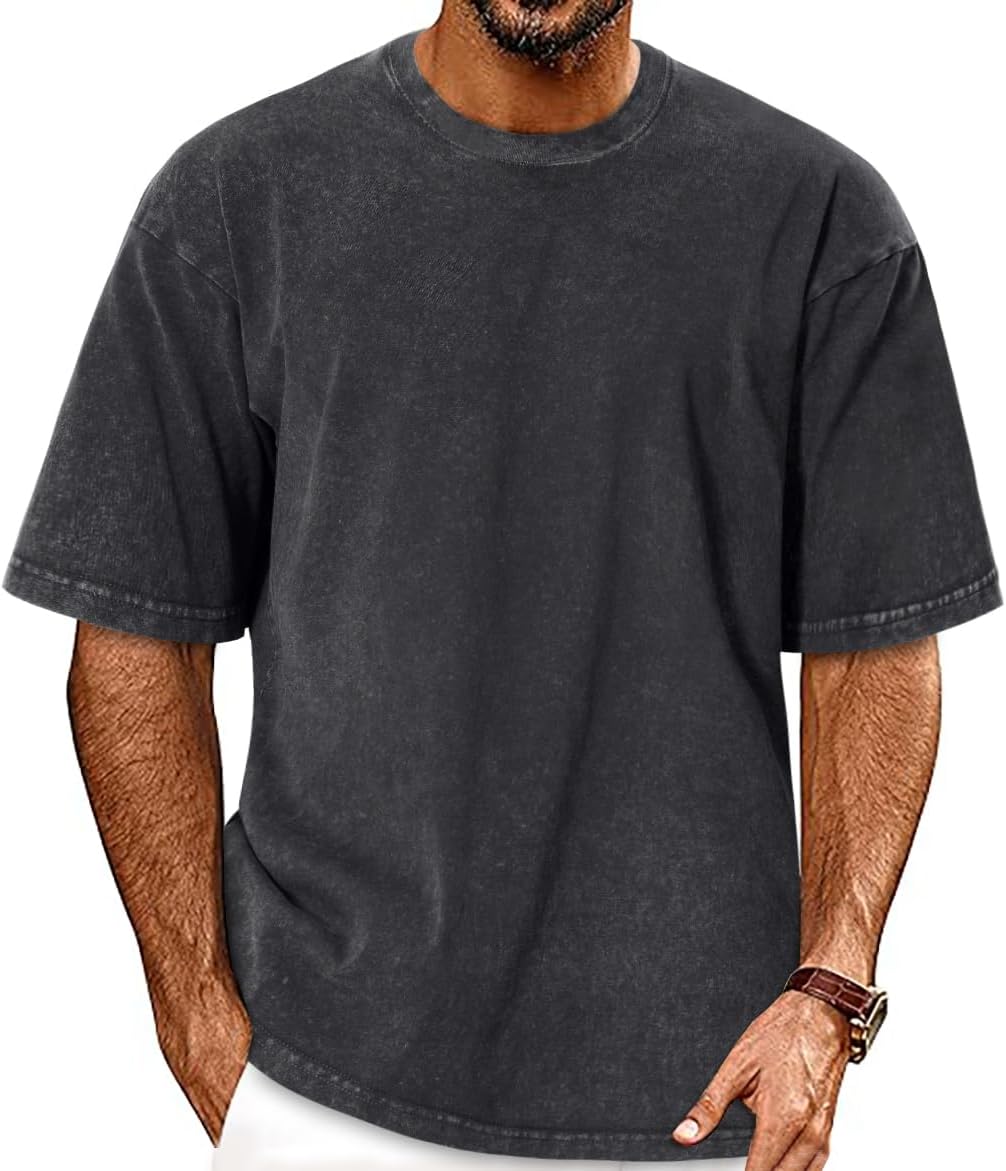
Oversized Tshirts for Men Short Sleeve Vintage Washed Basic Loose Tees | ADOREJOY Casual Acid Wash Cotton Crew Neck Shir
A vintage-washed oversized loose tee is the broken-in blank silhouette people fake a band print onto — buy the wash, skip the bootleg.
BUY ON AMAZON →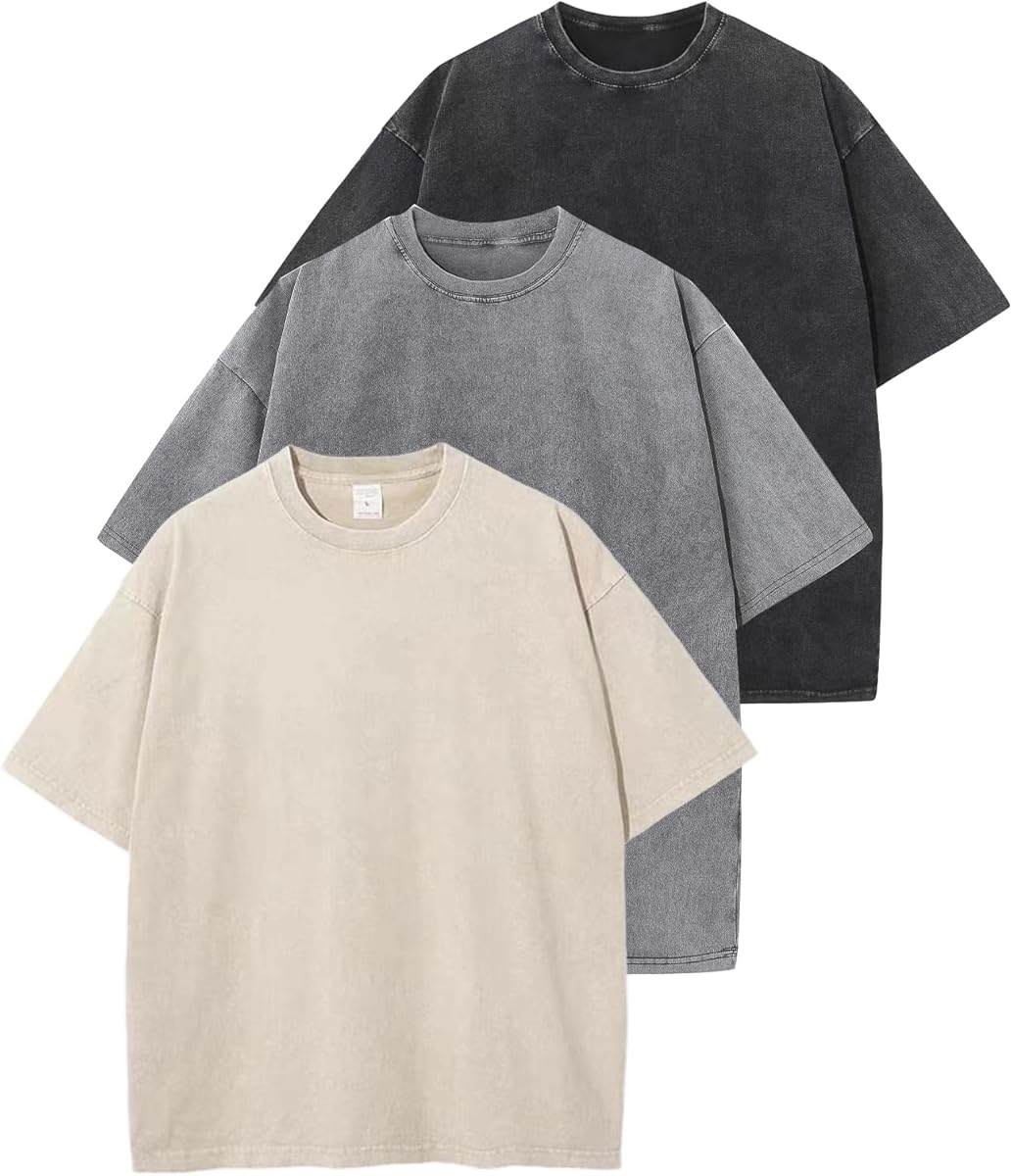
Arssm Men Oversized T Shirts Vintage Tee Loose Fit Short Sleeve Casual Streetwear Baggy Washed Unisex Tops
An oversized vintage loose-fit streetwear tee is the cut and wash this buying guide is hunting, minus a concert graphic you cannot authenticate.
BUY ON AMAZON →RELATED READS

Crew Sock Styling Rules Ranked for 2026
A ranked rulebook for when and how to showcase crew socks in 2026 — visibility thresholds, sneaker pairings, pant cuts, and two reliable multipack picks.

Get the Kayano 14 Look for $25 Less with the ASICS Gel‑1130
Get the Y2K Kayano 14 look for $25 less with the ASICS Gel‑1130 — colorway picks, fit tricks, and styling moves that close the gap.

5 Fresh Ways to Wear the Nike Cortez Instead of the Adidas Samba
Five concrete fit formulas that let the Nike Cortez stand in for the Adidas Samba, from minimalist monochrome to tailored-casual, for 2026 streetwear.